
The best overall time to visit France is May through June or mid-September through October — warm, settled weather without the crowds and prices of peak summer. But "best" depends on where you are going: Provence peaks for lavender in July, the French Riviera hits its stride in June and September, Alsace comes alive for Christmas markets in December, and Burgundy's vineyards are liveliest during the September harvest. There is no single right month for France — there is a right month for the France you are trying to see.
I have been planning custom France trips for American travelers for years, and timing is almost always the first question clients ask, before they have settled on an itinerary. As the founder of France Awaits Travel, I fell for this country while studying Art History and walking into the Louvre for the first time, and I have gone back again and again since — chasing lavender in the Luberon, tracking harvest through Burgundy, watching the Christmas lights come up over Strasbourg's cathedral square. Below is the season-by-season, region-by-region breakdown I give my own clients, grounded in real climate data rather than generic "spring is nice" advice.
What Is the Best Overall Time to Visit France?
For a first trip covering multiple regions, I steer clients toward late April through June or mid-September through mid-October. Both windows deliver comfortable daytime temperatures across most of the country, noticeably thinner crowds than July and August, and hotel and flight pricing that has not yet hit its summer peak. Paris in May is genuinely lovely — parks in bloom, long daylight, museums you can actually move through — while late September brings the same ease to Provence and the Loire Valley, plus grape harvest season in the wine regions.
If I had to pick one month for a first-time, do-a-bit-of-everything itinerary, I would say June for warm weather with slightly more patience left in the crowds, or September for the best overall balance of weather, atmosphere, and value. July and August are not bad months — they are simply the most expensive and most crowded, and I reserve them for clients who specifically want Riviera beach time or don't mind sharing the Louvre with the rest of the world.
August deserves its own word of caution, though, and it is not about weather. This is when French families take their own summer holiday en masse, a tradition dating to 1936, and Paris empties out as residents head to the coast or countryside. Small, independently owned restaurants and shops often post a handwritten note announcing their fermeture annuelle, their annual closing, and disappear for two to four weeks. Major attractions and restaurants in tourist-heavy areas stay open throughout, so you will not struggle to eat well or see the sights, but a favorite neighborhood bistro may be shuttered — I just make sure clients traveling in August have reservations locked in well ahead, since the places that stay open get busy fast with everyone else's back-up plan.
What Is the Weather Like in Paris Month by Month?
Paris runs cool and damp in winter, mild in spring and fall, and warm — sometimes surprisingly hot — in summer. January averages a chilly 35-45°F (2-7°C), while July and August climb to around 68°F (20°C), with occasional heat spikes well above that. Rain is a near-constant companion regardless of season, spread evenly across the year, so I always tell clients to pack a light rain layer no matter when they travel.
Spring (April-June) brings blossoming parks along with unpredictable showers, while September and October offer some of Paris's most photogenic light and comfortable walking temperatures. Winter suits travelers who prioritize thin crowds and short lines at the Louvre and the catacombs over garden season, a trade-off I cover more below.
When Should I Visit Provence for Lavender Season?
If lavender is the reason for your trip, timing gets specific fast. Bloom typically runs from mid-June through early August, but peak color depends heavily on elevation. Lower fields around the Valensole plateau and the Luberon usually peak in the last week of June through mid-July, while higher fields around Sault and Mont Ventoux bloom later, often carrying color into early August. I go into far more depth on exact locations in my full Provence lavender season guide, but the short version: aim for late June through mid-July for the safest odds of catching Valensole in full color, shifting later toward Sault for late-July dates.
Outside lavender season, Provence is a different kind of beautiful. Spring brings wildflowers and market season without the July crush, while September and October offer warm, dry days, a quieter Luberon, and the start of the region's wine and olive harvests — my preferred window for clients who want the light and food of Provence without fighting for a table. Winters here are mild by French standards but genuinely quiet, with village restaurants often trimming their hours.
Is the French Riviera Only Worth Visiting in Summer?
Not at all, though summer is undeniably when the Riviera performs at full volume. High season runs roughly June through early September, with July and August bringing the hottest weather, fullest beaches, and highest hotel and villa rates of the year — peak Cannes and Monaco energy, genuinely festive if that is what you want. Sea temperatures climb into the low-to-mid 70s Fahrenheit by August, the first stretch of the year comfortable enough for extended swimming.
My favorite Riviera window is September, when summer crowds have thinned meaningfully, the sea is at its warmest point of the year, and daytime temperatures still sit in the mid-70s. May is the other strong shoulder option — mild, green, and relaxed aside from a price spike around the Cannes Film Festival — and when I send clients to explore beyond the coastline, the hill towns and trails I cover in my guide to the French Riviera beyond its beaches. Winter here is mild rather than cold, with highs often in the mid-50s, drawing a small, devoted crowd who prefer Nice's old town without the summer scrum.
What Is the Best Time to Visit the Loire Valley Châteaux?
The Loire Valley rewards visitors nearly year-round, but May, June, and September are the sweet spot. Summer highs rarely climb past the mid-70s even in July and August, making the region noticeably cooler and greener than Provence or the Riviera at the same time of year — a light raincoat is useful here in any month. June is the busiest month for château touring, so if crowds matter more than guaranteed warmth, September is the better call: harvest is underway in the vineyards, and the famous son-et-lumière light shows at châteaux like Blois and Chenonceau are still running most nights. I sequence the châteaux themselves in my Loire Valley châteaux guide. December brings wetter, colder weather, but also private-feeling visits to rooms usually crowded in summer.
When Should I Plan a Trip to Normandy?
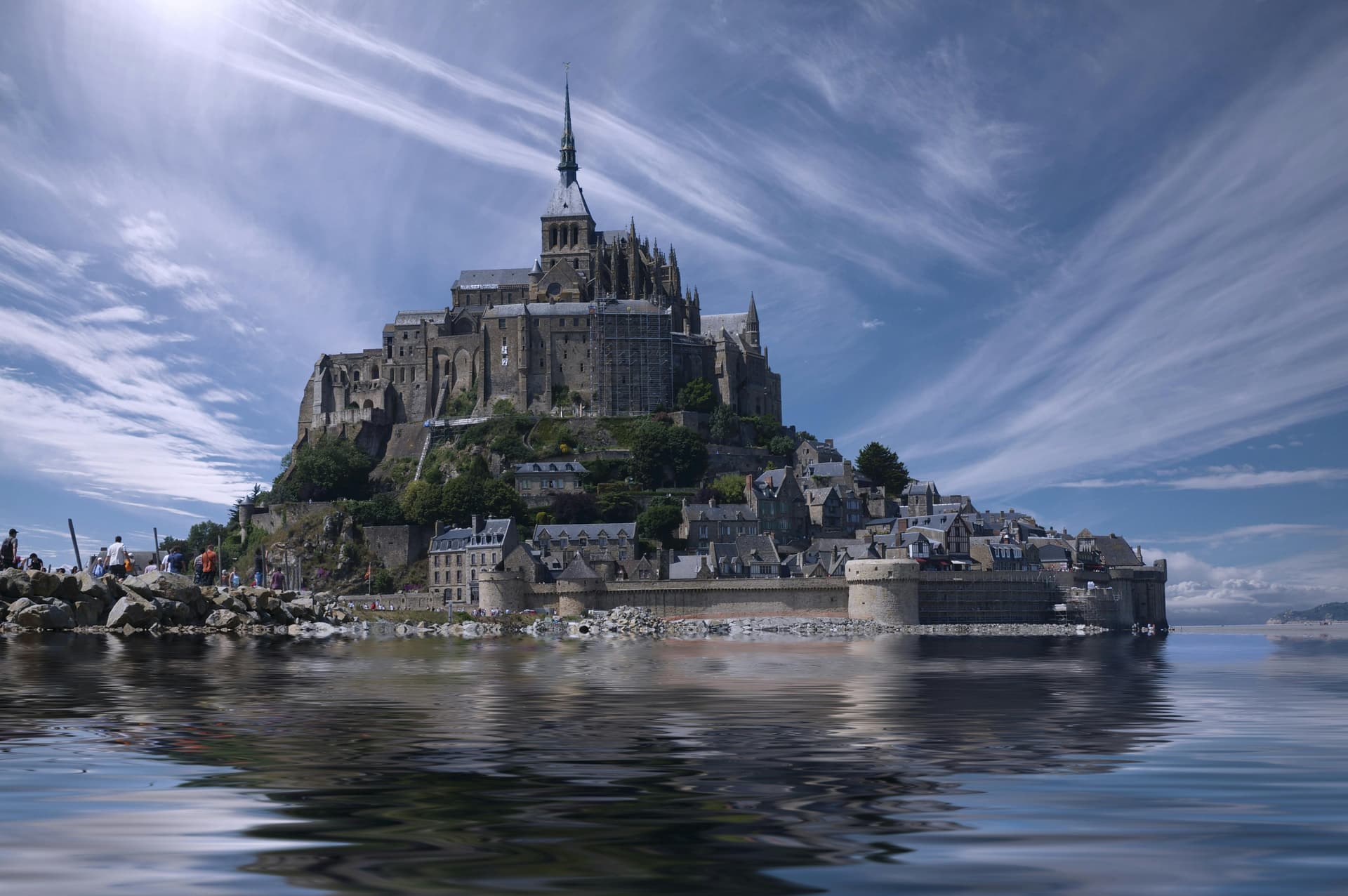
Normandy's maritime climate keeps temperatures moderate and rain a regular visitor year-round, with daytime highs ranging from around 48°F (9°C) in January to about 73°F (23°C) in August. May through September is genuinely the best stretch for exploring the D-Day beaches, Mont Saint-Michel, and the coastal towns. I consider September the standout month — highs still land around 68-72°F, rainfall trends downward from the wetter months to come, and crowds at the major sites thin out noticeably. If your itinerary runs through Paris first, plan for either a long day trip or an overnight stay to do the coast justice.
Is Winter a Good Time to Visit France?
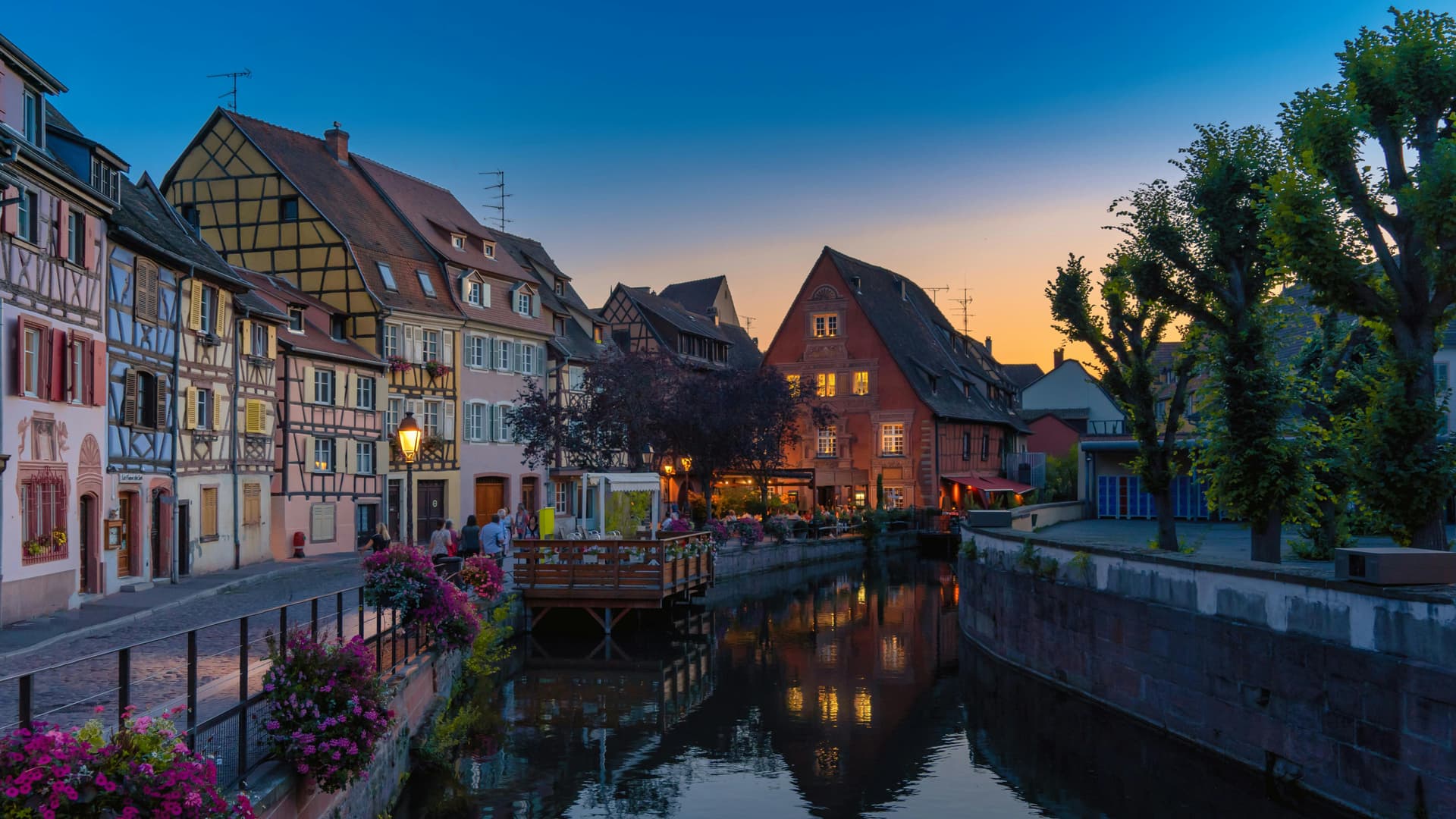
Winter in France is quieter, colder, and — for the right traveler — genuinely rewarding. Paris in January and February is close to its cheapest and least crowded all year, ideal for museum-heavy itineraries and long, unhurried lunches without a wait. The clear exception is Alsace in December, when the region's centuries-old Christmas market tradition turns winter into the busiest, most atmospheric season of the year. Alsace's markets, most famously in Strasbourg and Colmar, typically run late November through late December, with Strasbourg's 2026 market scheduled November 27 through December 27. I cover village-by-village strategy in my Alsace Christmas markets guide, including why mid-December brings the best atmosphere alongside the biggest crowds, and why late November offers nearly the same magic with more breathing room.
Elsewhere, winter thins out considerably. Provence and the Riviera stay mild but subdued, with smaller restaurants often reducing hours. The Loire Valley and Normandy turn genuinely cold and wet, part of why I rarely build a first-time itinerary around January or February — but for a Paris-and-Alsace trip built around the holidays, winter is not a compromise. It is the plan.
When Is the Best Time to Visit Burgundy for Wine?
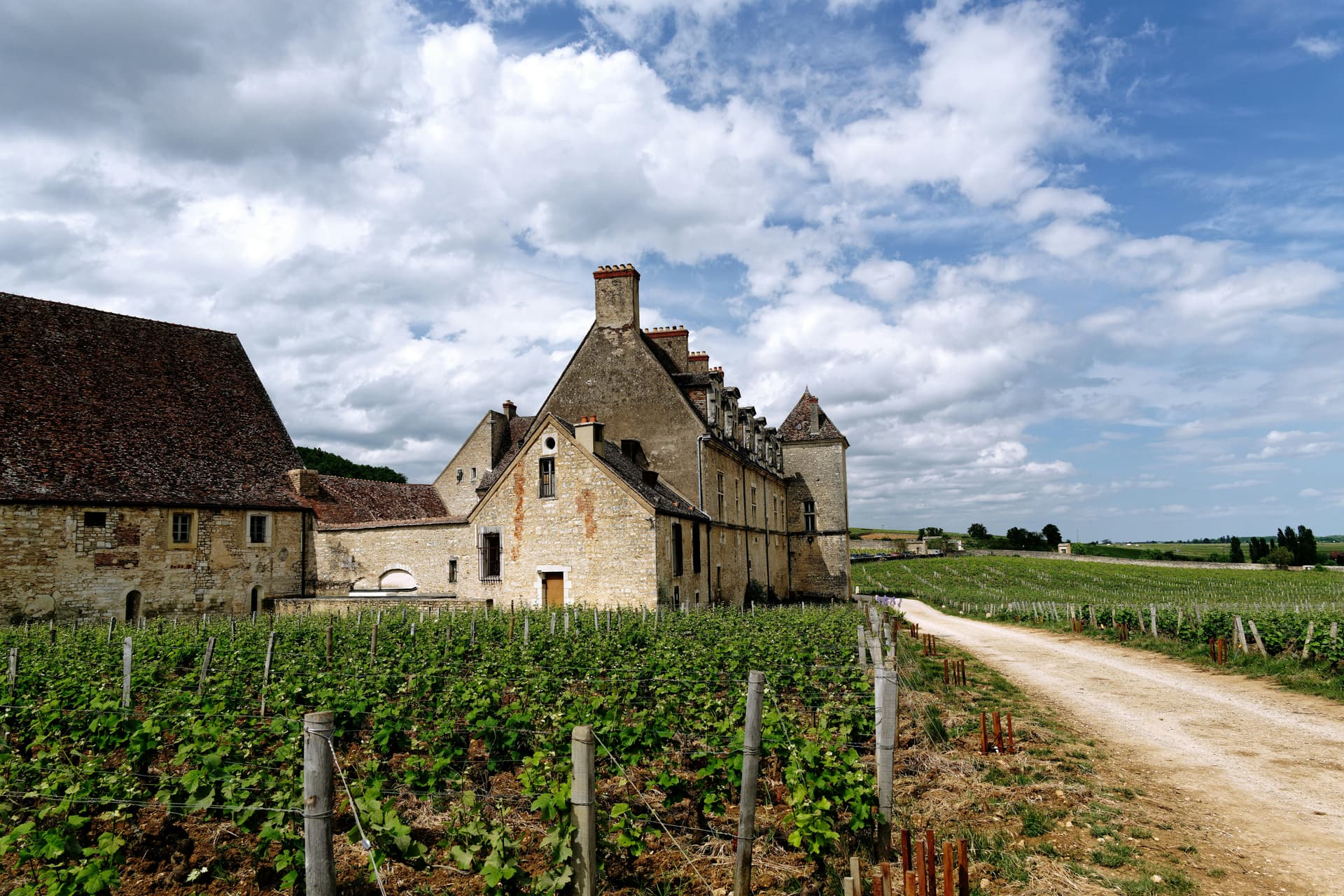
If wine is the draw, September is Burgundy's defining month. The grape harvest, or vendanges, generally runs late August into early October depending on the vintage, usually getting underway in September. Roads around Beaune fill with trailers of freshly picked fruit, the air carries the scent of fermenting must, and the region takes on a working energy absent the rest of the year. A word of caution: top domaines often go quiet on tastings during the busiest picking days, so book harvest-season visits well ahead.
Outside harvest, May and June bring green vineyards and comfortable touring weather before the summer crowds arrive, making Burgundy a pleasant pairing with a broader wine-country itinerary that might also take in Bordeaux or the Rhône Valley.
How Do I Choose the Right Season for My France Trip?
Start with what you want to see, then let the calendar follow. A first-time, Paris-plus-countryside trip built around comfortable weather points toward May-June or September-October. A lavender-focused Provence trip is locked to late June to early August. A Riviera beach trip wants June through early September, with September as the value play. A Christmas-market trip to Alsace only really works in late November through December. A Burgundy harvest trip means September, booked as far ahead as you can manage.
I build every itinerary around this seasonal logic first, because the wrong month can undercut even a beautifully planned trip — a lavender chaser who arrives in May will miss the thing they came for no matter how good the hotels are. If you would like help matching your dates to the experience you actually want, get in touch and tell me what is drawing you to France; I will tell you honestly whether your dates line up with it.
FAQ
What is the cheapest month to visit France?
January and February are generally the least expensive months to visit France, particularly in Paris, where flights and hotel rates drop noticeably outside the December holidays. Late November and early March also offer good value. The trade-off is colder, wetter weather in most regions and reduced hours at some smaller countryside attractions.
What month has the best weather in France overall?
June is often cited as the best all-around month, offering warm but not extreme temperatures and blooming landscapes from Paris parks to Provence's early lavender fields. September runs a close second, with similarly comfortable temperatures, thinner crowds than June, and grape harvest underway in the wine regions.
Is it better to visit France in spring or fall?
Both are excellent, and it often comes down to what you want to see. Spring (April-June) brings blooming gardens and building energy toward summer, while fall (September-October) offers harvest season, warm days with cooler nights, and crowds that thin as the month progresses. Fall generally edges out spring on value, since prices have not yet ramped up toward the holidays.
Do I need to plan around August if I am only visiting Paris?
Not really. Paris's major museums, monuments, and tourist-area restaurants stay open throughout August, so sightseeing is not affected. Smaller, independently owned bistros and shops in residential neighborhoods do close for a few weeks for their annual holiday, so confirm a specific favorite restaurant is open before building a reservation around it.
When is the best time to see both Paris and Provence in one trip?
Late May through June or September work best for combining the two, since both regions offer comfortable temperatures and manageable crowds. If catching Provence's lavender bloom is a priority, aim for late June through mid-July and expect warmer, busier conditions as a trade-off for the color.
Sources
- Météo-France — Climate Normals, Strasbourg-Entzheim
- Météo-France — Climate Normals, Nice
- Climates to Travel — France Climate: Temperature, Rain, When to Go
- Into the Vineyard — Harvest Season in Burgundy: What It's Like
- NPR — When Paris Empties Out in August, Some Are Happy to Stay
- CroisiEurope River Cruises — Alsace's Finest Christmas Markets in 2026