
The Loire Valley contains the highest concentration of Renaissance architecture in the world. When French kings abandoned their fortified castles for pleasure palaces, they created a string of architectural gems that still dazzle five centuries later.
But with over 300 châteaux vying for attention, visitors face a challenge familiar to anyone planning day trips from Paris — whether to Normandy or here: which sights merit your precious time? This guide helps you choose based on your interests and available time.
The Must-Sees
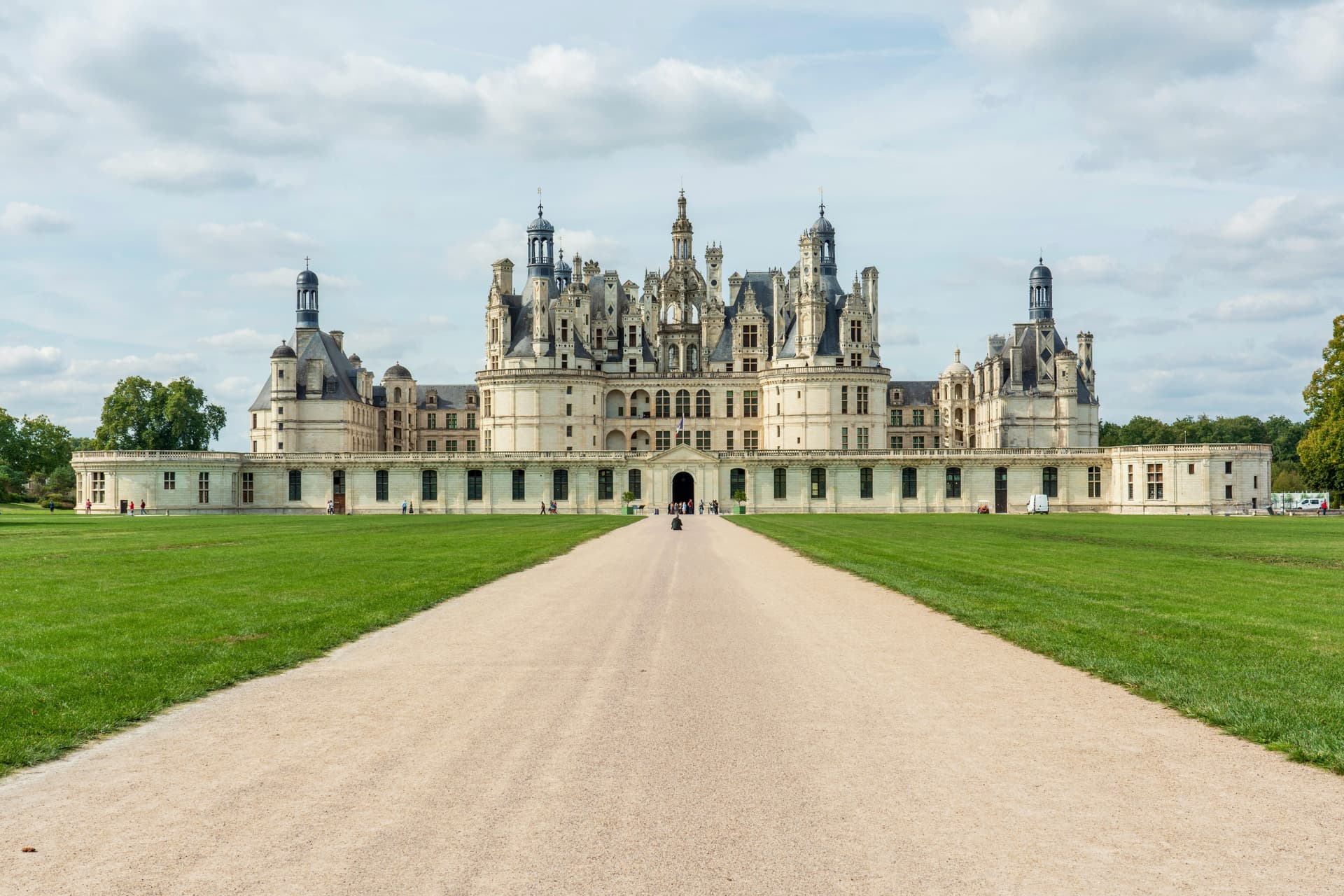
Château de Chambord
No visit to the Loire is complete without Chambord. This is Renaissance ambition at its most extreme — 440 rooms, 365 fireplaces, and a double-helix staircase possibly designed by Leonardo da Vinci.
François I built Chambord as a hunting lodge (yes, really), but construction consumed nearly 30 years and 1,800 workers. The king spent only about 50 nights here in his lifetime.
Allow: 3-4 hours including grounds Best for: Architecture enthusiasts, anyone visiting the Loire for the first time
Château de Chenonceau
The "Ladies' Château" arches gracefully over the River Cher, creating one of France's most photographed scenes. A succession of remarkable women shaped Chenonceau — Diane de Poitiers, Catherine de Medici, Louise of Lorraine — and their stories add human drama to architectural beauty.
The gardens are especially fine, and during summer, the château opens for evening visits with atmospheric lighting.
Allow: 2-3 hours Best for: Romantics, garden lovers, history enthusiasts
Château de Villandry
If gardens speak to you more than interiors, Villandry is your destination. The Renaissance gardens here rank among Europe's finest: geometric vegetable gardens, ornamental flower beds, and a water garden arranged on multiple terraces.
The château itself is pleasant but secondary to the spectacular outdoor spaces.
Allow: 2-3 hours (mostly outdoors) Best for: Garden enthusiasts, photographers
Beyond the Big Three
Château d'Amboise
The French kings resided here before moving to grander châteaux downstream. Leonardo da Vinci spent his final years in Amboise as a guest of François I, and his tomb lies in the chapel on the grounds.
The château's terrace offers superb views over the Loire, and the town below has excellent restaurants.
Allow: 1.5-2 hours Best for: Renaissance history buffs, Leonardo enthusiasts
Château de Cheverny
If you want to see a château that's still lived in by the family that built it, Cheverny is your choice. The interiors remain furnished as they have been for centuries, and the on-site kennels house hunting hounds whose ancestors have pursued game here for generations.
Fans of Tintin will recognize the façade — it inspired Captain Haddock's Marlinspike Hall.
Allow: 1.5-2 hours Best for: Those wanting to see "lived-in" aristocratic life
Château d'Azay-le-Rideau
This smaller château sits on an island in the Indre River, its reflection in the water creating a dreamlike image. Built during the same period as the great palaces, Azay-le-Rideau proves that beauty doesn't require overwhelming scale.
Allow: 1-1.5 hours Best for: Photography, intimate châteaux experiences
Château de Chaumont-sur-Loire
Chaumont combines historical interest (Catherine de Medici exiled Diane de Poitiers here) with contemporary art. The annual International Garden Festival brings landscape designers from around the world to create temporary installations in the extensive grounds.
Allow: 2-3 hours during Garden Festival, 1.5 hours otherwise Best for: Contemporary art lovers, garden festival visitors
Avoiding Château Fatigue
Visiting too many châteaux in too few days leads to what locals call "château fatigue" — that glazed look when one palace blurs into another. Here's how to avoid it:
- Limit yourself to 2 châteaux per day maximum
- Mix architectural visits with other activities: wine tasting, village exploration, leisurely meals
- Vary your choices: combine a grand palace with a smaller manor, or an interior-focused visit with a garden-focused one
- Take your time: these buildings were meant for lingering, not rushing
Practical Tips
- Book tickets online for Chambord and Chenonceau during high season
- Consider a late afternoon visit when day-trippers have departed
- Check for evening openings — summer illuminations create magical atmospheres
- Rent a car for maximum flexibility, or take the direct train from Paris and join a guided tour from Tours
- Allocate at least 3-4 days for a proper Loire Valley experience
Suggested Itineraries
Two Days (First-Timers)
- Day 1: Chambord + Cheverny
- Day 2: Chenonceau + Amboise
Three Days (With Gardens)
- Day 1: Chambord + wine tasting in Vouvray
- Day 2: Villandry gardens + Azay-le-Rideau
- Day 3: Chenonceau + Amboise
Four Days (Comprehensive)
- Day 1: Chambord + Cheverny
- Day 2: Chenonceau + Amboise
- Day 3: Villandry + Azay-le-Rideau
- Day 4: Chaumont + local villages
The Loire Valley rewards those who approach it thoughtfully, whether as a standalone trip or an extension of a first week in Paris. Choose wisely, take your time, and let the grandeur of Renaissance France unfold at a pace that allows true appreciation.
FAQ
How many châteaux should you visit per day in the Loire Valley?
No more than two per day is the general rule, to avoid what locals call château fatigue, the glazed feeling of one palace blurring into another. Mixing château visits with wine tasting, village exploration, or a leisurely meal helps maintain a pace that lets the grandeur actually sink in.
Which is the most famous château in the Loire Valley?
Château de Chambord, an extreme expression of Renaissance ambition with 440 rooms, 365 fireplaces, and a double-helix staircase possibly designed by Leonardo da Vinci. François I built it as a hunting lodge, though construction took nearly 30 years, and he spent only about 50 nights there in his lifetime. Allow three to four hours.
Do you need a car to visit the Loire Valley châteaux?
A car offers the most flexibility, though taking a direct train from Paris and joining a guided tour from Tours is also possible. Either way, allocate at least three to four days for a proper visit, since the châteaux are spread across considerable countryside.
Which Loire Valley château has the best gardens?
Château de Villandry, whose Renaissance gardens rank among Europe's finest, with geometric vegetable gardens, ornamental flower beds, and a water garden arranged across multiple terraces. The château interior is pleasant but secondary here; allow two to three hours, mostly spent outdoors among the gardens.
How many days do you need in the Loire Valley?
At least three to four days is recommended for a proper experience. Two days suits first-timers wanting to hit the essentials like Chambord and Chenonceau, while four days allows a comprehensive mix of grand palaces, formal gardens, and smaller, more intimate châteaux like Azay-le-Rideau.