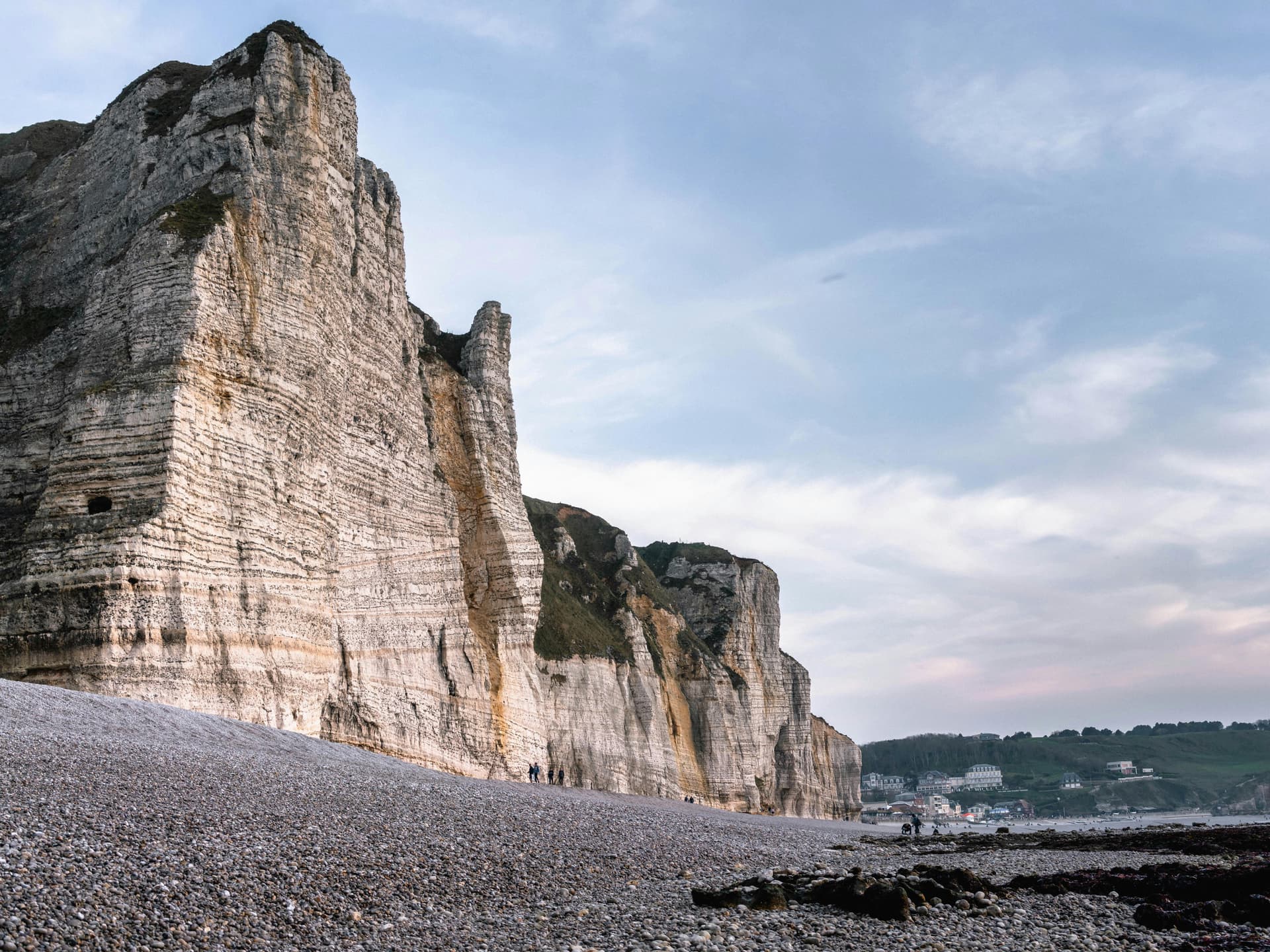

On June 6, 1944, the largest amphibious invasion in history began on the beaches of Normandy. The Allied landings marked the beginning of the end for Nazi Germany, but they came at tremendous cost. Today, these beaches and the surrounding countryside preserve this history for visitors seeking to understand and honor those who served, and they form the emotional core of any Normandy itinerary.
A visit to the D-Day sites is unlike ordinary tourism. These places carry weight. Approaching them with appropriate preparation and respect transforms a historical visit into a profound experience.
Understanding the Landing Beaches
Five beaches received code names for the operation:
Omaha Beach (American) The bloodiest of the landings. German defenses here were strongest, and American forces suffered approximately 2,400 casualties on this beach alone. The cliffs overlooking the beach made the assault particularly deadly.
Utah Beach (American) Located at the base of the Cotentin Peninsula. Lighter resistance than Omaha meant lower casualties, though the paratroopers who dropped behind the beach faced fierce fighting.
Gold Beach (British) British forces landed here and pushed inland toward Arromanches, where they would build the artificial Mulberry harbor essential for supplying the invasion.
Juno Beach (Canadian) Canadian forces faced strong resistance but achieved their objectives, pushing further inland on D-Day than any other beach.
Sword Beach (British) The easternmost beach, where British forces advanced toward Caen, which wouldn't fall for another month of bitter fighting.
Essential Sites
The American Cemetery at Colleville-sur-Mer
Overlooking Omaha Beach, this cemetery contains 9,387 white marble headstones aligned in perfect rows. The visitor center provides context through exhibits and a short film, but nothing prepares you for the emotional impact of the graves themselves.
Each headstone represents a life cut short. Walking among them, reading the names and ages, makes the statistics human. The cemetery faces west toward America, ensuring the fallen face their homeland.
Plan: Allow 2-3 hours. The cemetery is free and requires no reservation.
Pointe du Hoc
American Rangers scaled these 100-foot cliffs under fire to neutralize German artillery that threatened both Utah and Omaha beaches. The landscape remains scarred by bomb craters, and you can explore German bunkers and gun emplacements.
The terrain itself tells the story of what these men accomplished. Standing atop the cliffs, looking at the sheer walls below, makes the Rangers' achievement nearly incomprehensible.
Plan: Allow 1-1.5 hours. The site is open year-round and free.
The Overlord Museum
Near Omaha Beach, this excellent museum houses an impressive collection of vehicles, equipment, and artifacts from the landings. The displays explain the logistics that made the invasion possible.
Plan: Allow 1.5-2 hours.
Arromanches and the Mulberry Harbor
Supplying the invasion required artificial harbors since the Allies lacked access to major ports. At Arromanches, you can still see remnants of the Mulberry harbor — massive concrete structures that were towed across the Channel and assembled off the beach.
The 360° cinema presents footage of the invasion on a wraparound screen, creating an immersive experience.
Plan: Allow 1.5-2 hours for the museum and harbor exploration.
Juno Beach Centre
This Canadian museum tells the story of Canada's role in D-Day and the broader war effort. Guided tours of the beach are led by young Canadian university students, offering a different perspective from other sites.
Plan: Allow 2 hours including guided beach tour.
Planning Your Visit
How Much Time?
A single day allows you to visit the highlights: the American Cemetery, Pointe du Hoc, and Omaha Beach. Two days permits a more comprehensive experience including British and Canadian sectors.
Guided Tours vs. Self-Guided
Both approaches work, but guides add context that's difficult to replicate independently. Local guides bring stories, expertise, and emotional connection that transforms the experience. If a family member served in Normandy, we can help arrange a guide who researches their specific unit and locations.
For self-guided visits, rent a car in Bayeux or Caen. The sites are spread across significant territory, and public transportation doesn't serve most locations.
When to Visit
June 6th: Anniversary ceremonies bring crowds and ceremonies. Moving but crowded — book accommodation months in advance.
Summer: Best weather, longest hours, but also peak tourism.
Shoulder seasons: April-May and September-October offer good conditions with fewer visitors.
Respectful Visiting
- Silence is appropriate at memorial sites
- No climbing on monuments or bunkers marked as restricted
- Photography: Permitted but be mindful of others having emotional moments
- Dress code: Casual is fine, but avoid beach attire at cemeteries and memorials
Beyond D-Day
Normandy offers more than D-Day history, and combining memorial visits with other experiences prevents emotional exhaustion.
Bayeux: See the famous tapestry depicting an earlier invasion — when Normandy invaded England in 1066.
Mont-Saint-Michel: This medieval abbey island lies about 90 minutes west and makes a natural addition to a Normandy visit.
Honfleur: The charming port town offers respite with its galleries, restaurants, and atmospheric harbor.
Cuisine: Norman food — creamy dishes, fresh seafood, apple products — provides comfort after emotional days.
Final Thoughts
The D-Day beaches offer one of the most meaningful travel experiences available. Understanding what happened here — the scale of the operation, the sacrifice involved, and the outcome for world history — demands our attention.
Take time before your visit to read or watch documentaries. The more context you bring, the more you'll absorb. And when you stand on those beaches, looking out at the Channel that tens of thousands of young men crossed eighty years ago, let yourself feel the weight of it.
That feeling is why we visit.
FAQ
How many days do you need to visit the D-Day beaches?
A single day covers the highlights: the American Cemetery, Pointe du Hoc, and Omaha Beach. Two days allow a more comprehensive visit that also includes the British and Canadian sectors, like Gold, Juno, and Sword beaches. Guided tours provide useful context and efficient transportation for either timeframe.
Which D-Day beach had the most casualties?
Omaha Beach, where American forces suffered approximately 2,400 casualties. German defenses there were the strongest of the five landing beaches, and the cliffs overlooking the sand made the assault particularly deadly, making it widely regarded as the bloodiest of the D-Day landings.
Do you need a guide to visit the D-Day beaches?
Not strictly, but local guides add stories, expertise, and emotional context that are difficult to replicate on your own. For self-guided visits, rent a car in Bayeux or Caen, since the sites are spread across significant territory and public transportation doesn't reach most locations.
Is the Normandy American Cemetery free to visit?
Yes, the cemetery overlooking Omaha Beach is free and requires no reservation. It contains 9,387 white marble headstones arranged in perfect rows facing west toward America, and the visitor center provides context through exhibits and a short film before you walk among the graves.
When is the best time to visit the D-Day beaches?
Shoulder seasons, April to May and September to October, offer good conditions with fewer visitors. Summer brings the best weather but also peak tourism, while the June 6th anniversary is moving but crowded, so accommodation should be booked months in advance if visiting then.