
The French Riviera's reputation for glamour sometimes overshadows its deeper pleasures. Yes, the beaches are beautiful and the yachts impressive, but look beyond the coast and you'll find the reasons this region has captivated artists, writers, and dreamers for over a century.
The Artists' Legacy
The extraordinary light of the Côte d'Azur drew painters like moths to flame. Matisse, Picasso, Chagall, Renoir, Léger — they all lived and worked here, and their legacies remain accessible to visitors today.
Matisse in Nice
The Musée Matisse occupies a 17th-century Genoese villa in Cimiez, Nice. The collection traces the artist's evolution from early academic work through his revolutionary late paper cutouts. Nearby, visit the Monastery of Cimiez where Matisse is buried, and the Roman ruins that he often painted.
Picasso in Antibes
The Château Grimaldi served as Picasso's studio for several months in 1946, and today the Musée Picasso houses works from this remarkably productive period. The joie de vivre evident in these paintings reflects the artist's happiness here — he had just met Françoise Gilot and was working in Mediterranean light for the first time since the war.
The Fondation Maeght in Saint-Paul-de-Vence
This private foundation sits in the hills above the village, combining an important art collection with architecture designed to complement it. Giacometti's figures populate a courtyard, Miró's ceramics enliven walls, and temporary exhibitions bring contemporary art into dialogue with the permanent collection.
The Perched Villages
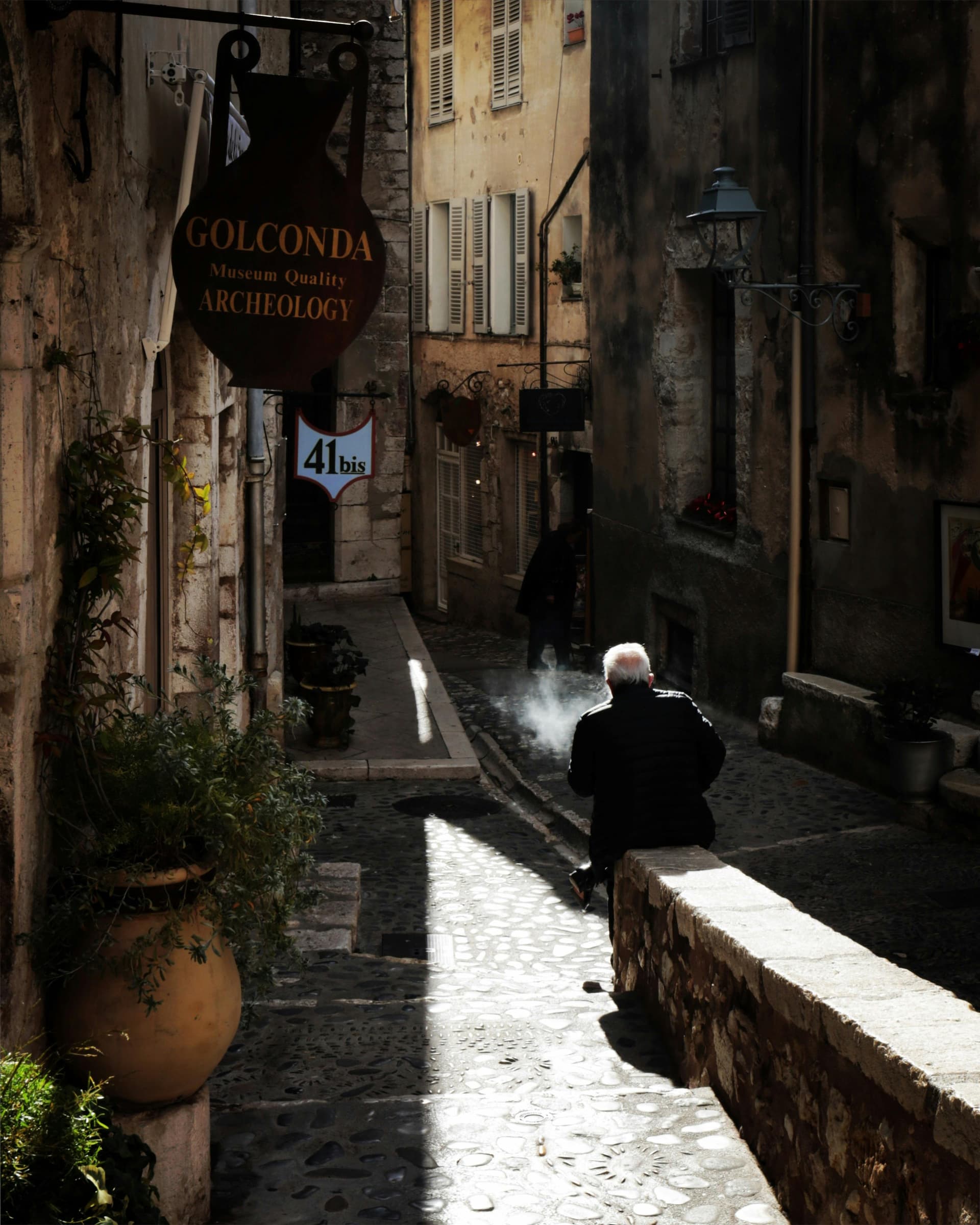
The Riviera's hilltop villages date from medieval times, when elevation provided protection from coastal raiders. Today they offer respite from beach crowds and some of the best views on the coast.
Èze
Perched between Nice and Monaco, Èze offers dramatic views from its cactus garden at the summit. The village itself is heavily touristed, but the views justify the crowds. Visit early morning or late afternoon to have the narrow streets more to yourself.
Saint-Paul-de-Vence
Artists and celebrities have frequented this village for decades. The Colombe d'Or hotel bar contains an art collection that would make many museums envious — the artists paid their bills with paintings. Walk the ramparts for views over the valley and surrounding hills.
Mougins
Picasso spent his final years in Mougins, and the village has cultivated its artistic and culinary reputation ever since. The photography museum presents excellent exhibitions, and the restaurants here rank among the region's finest.
Gourdon
The most dramatically sited of the perched villages, Gourdon sits at 760 meters elevation with views that stretch from the Alps to the sea. The drive up offers spectacular scenery, and the village itself rewards exploration with its château and medieval streets.
Secret Corners
The Maeght Chapel in Vence
Matisse designed this chapel for Dominican nuns, creating what he considered his masterpiece. The stained glass windows cast colored light across white tile walls decorated with the artist's simple but powerful line drawings. Call ahead to confirm opening hours.
The Gardens of Menton
Menton's microclimate allows exotic gardens to flourish. The Jardin Botanique Val Rahmeh contains plants from around the world, while the Serre de la Madone preserves the garden created by Lawrence Johnston (of Hidcote Manor fame).
The Trophée des Alpes
Above Monaco at La Turbie, this Roman monument commemorated Augustus's conquest of the Alpine tribes. The partial reconstruction helps visualize the original scale, and the museum explains the history of Roman rule in this region.
Villefranche-sur-Mer
This small port between Nice and Monaco retains fishing village character despite its proximity to famous neighbors. The Chapelle Saint-Pierre, decorated by Jean Cocteau, rewards the short detour from the main coastal road.
Practical Considerations
The perched villages are best explored with a car, as public transportation to hillside locations is limited — the same is true further west toward the Gorges du Verdon, reachable as a scenic day trip from Nice. Driving the Corniche roads offers spectacular views but requires attention — the routes are narrow and winding.
Plan village visits for early morning or late afternoon. Midday brings both crowds and heat to these stone settlements. Many shops and restaurants close during the traditional lunch hours (noon to 2 or 3 PM).
The art museums mentioned here represent just a fraction of the region's cultural offerings. The Riviera's artistic heritage runs deep, and new discoveries await around every corner.
Beyond the Obvious
The French Riviera reveals different facets to those who look beyond the beach clubs and casino floors. The artists who settled here understood what drew them — the light, the colors, the Mediterranean spirit that infuses everything.
By combining coastal pleasures with hillside villages and artistic treasures — not unlike the market squares and Roman ruins found further west in Saint-Rémy-de-Provence — you'll experience the Côte d'Azur that inspired generations of creative minds.
FAQ
Is the French Riviera more than just beaches?
Yes. Beyond the coast, the Riviera offers an artistic legacy from Matisse, Picasso, Chagall, Renoir, and Léger, medieval perched villages built for protection from coastal raiders, and secret corners like Cocteau-decorated chapels and exotic gardens. The extraordinary light that drew painters here for over a century still defines the region's deeper pleasures.
Do you need a car to visit the Riviera's perched villages?
Yes, hilltop villages like Èze, Saint-Paul-de-Vence, Mougins, and Gourdon are best explored with a car, since public transportation to these hillside locations is limited. The winding Corniche roads offer spectacular views but require attentive driving, as the routes are narrow.
What is the best time of day to visit Èze and Saint-Paul-de-Vence?
Early morning or late afternoon, when both the crowds and the heat that build up in these stone villages by midday have eased. Many shops and restaurants also close during the traditional lunch hours of noon to two or three PM, so plan village visits around that window.
Where can you see Matisse's work on the French Riviera?
The Musée Matisse in Nice's Cimiez neighborhood traces his evolution from early academic work to his revolutionary late paper cutouts, near the monastery where he is buried. In Vence, Matisse designed a chapel he considered his masterpiece, its stained glass casting colored light across walls decorated with his simple, powerful line drawings.
Which artists lived on the French Riviera?
Matisse, Picasso, Chagall, Renoir, and Léger all lived and worked here. Picasso used the Château Grimaldi in Antibes as a studio in 1946 and later spent his final years in Mougins, while Matisse settled in Nice and designed a chapel in Vence, drawn like the others by the region's extraordinary light.