
For a first trip to France, I recommend splitting 10 days as 6 nights in Paris and 4 nights in the Loire Valley, with a fast TGV train connecting the two. That split gives you enough time to see Paris properly, including a full day at Versailles, without rushing the museums, and it leaves four unhurried days to explore Renaissance châteaux, vineyards, and small riverside towns an hour outside the capital. If Provence or Normandy pulls at you more than the Loire, the same 6-and-4 structure works with either region substituted in.
I have been building custom France itineraries for American travelers for over a decade, and the 10-day, first-timer trip is the single itinerary I design most often. As the founder of France Awaits Travel, and someone who fell in love with this country while studying Art History and walking the Louvre for the first time, I have watched countless clients try to cram Paris, the Loire, Provence, and Normandy into ten days — and I have watched the ones who picked one region beyond Paris come home actually rested. Below is the itinerary I hand to first-time clients, day by day, with the reasoning behind every choice.
How Should I Split 10 Days Between Paris and the Regions?
Ten days is enough for one great city and one great region, done properly — not for three regions done in a blur. I tell clients to think of it as 60/40: roughly six days anchored in Paris (arrival, the major museums, Versailles, and neighborhood time) and four days in a single region beyond it. Trying to add a second region inside the same ten days usually means one more travel day, one more hotel check-in, and noticeably less time actually standing in front of what you came to see.
The Loire Valley is my default recommendation for first-timers because it pairs so naturally with Paris: a direct TGV from Paris Montparnasse reaches Saint-Pierre-des-Corps, the gateway station for Tours, in roughly one hour to one hour fifteen minutes, which means your travel day barely eats into your Loire time at all. Provence and Normandy are both excellent alternates, and I sketch both below, but neither beats the Loire for sheer ease of access from Paris.
What Does a Day-by-Day Paris + Loire Valley Itinerary Look Like?
Here is the full ten days. I keep Paris at three to four hours of serious sightseeing per major site, since that is realistically how long the Louvre or Musée d'Orsay deserves on a first visit, and I hold the Loire to two châteaux a day maximum, which is the guideline that keeps travelers from sliding into what locals call "château fatigue."
Day 1: Arrival, settle in. Land, get to your hotel in Paris — Le Marais or Saint-Germain-des-Prés both work well for first-timers — and resist the nap. A slow walk through your neighborhood and an early dinner reset your clock better than sleep does.
Day 2: The Louvre and central Paris. Arrive at opening. Three to four hours covers the highlights properly without the exhaustion of trying to see everything. Spend the afternoon in the Palais Royal gardens and the covered passages nearby.
Day 3: Musée d'Orsay and the Left Bank. Give the Impressionists a proper morning, then wander the Luxembourg Gardens and Saint-Germain-des-Prés in the afternoon. This is a slower day by design.
Day 4: Versailles. A full day, not a half day. The train from central Paris runs about 45 minutes each way, and between the Hall of Mirrors, the gardens, and Marie Antoinette's estate, Versailles genuinely fills the hours from mid-morning to late afternoon.
Day 5: Eiffel Tower and Montmartre. Book Eiffel Tower tickets for late afternoon, when lines thin and the light turns golden for the climb up to Sacré-Cœur beforehand. If you want a true splurge night, this is where I steer clients toward a table at one of the city's Michelin-starred dining rooms.
Day 6: Marais, islands, and departure prep. A last wandering day — Place des Vosges, Île Saint-Louis, the bouquinistes along the Seine. Pack the evening before your train.
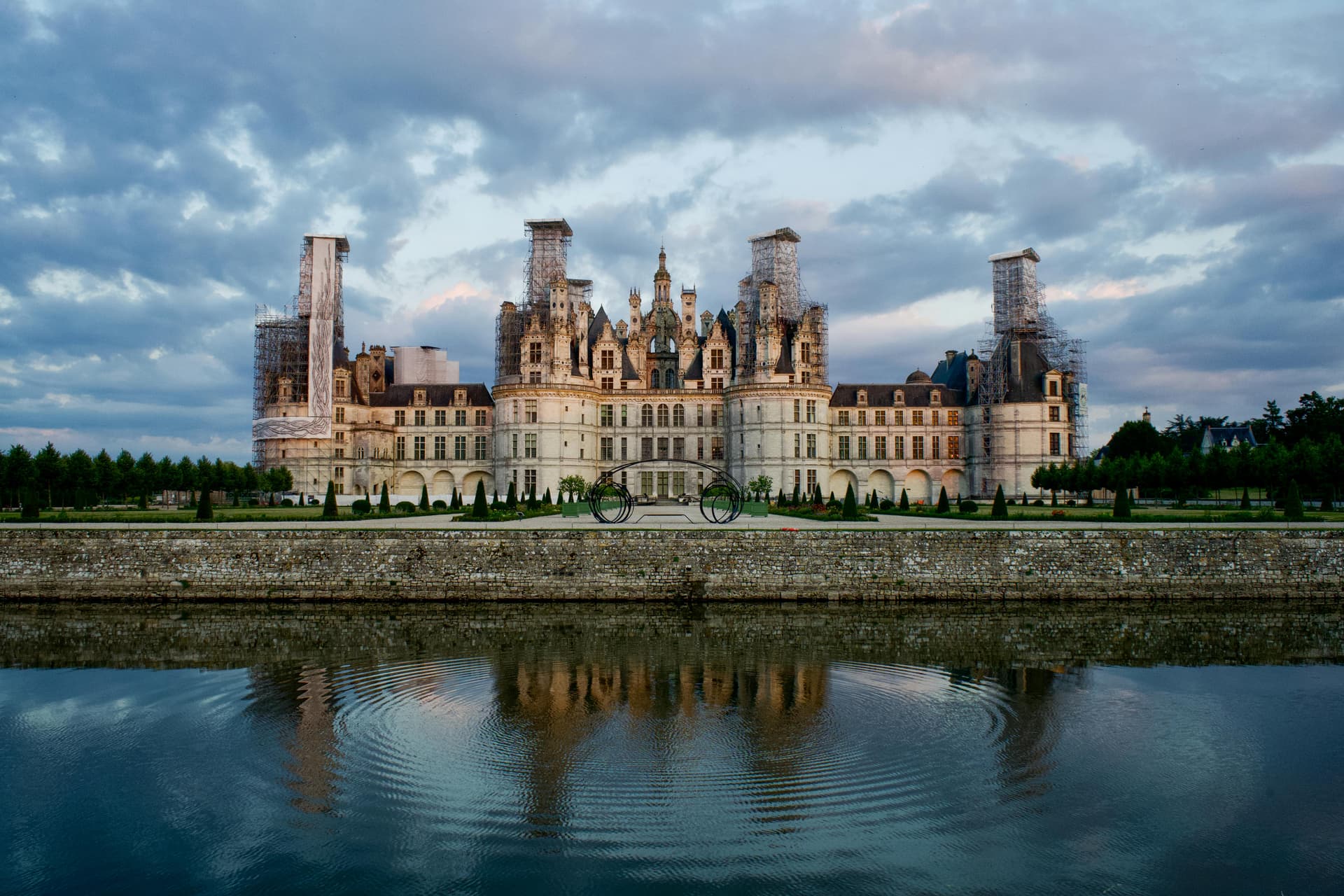
Day 7: Travel day and Chambord + Cheverny. Catch a mid-morning TGV to Saint-Pierre-des-Corps (about an hour), settle into a hotel in or near Tours or Amboise, and spend the afternoon at Château de Chambord, France's most ambitious château, pairing it with the more intimate, still-lived-in Cheverny if time allows.
Day 8: Chenonceau and Amboise. The "Ladies' Château" arching over the River Cher in the morning, then the smaller riverside town of Amboise, where Leonardo da Vinci spent his final years, in the afternoon.
Day 9: Villandry gardens and a slower pace. The geometric Renaissance gardens at Villandry are worth a full morning on their own, and the afternoon is a good place to build in a vineyard stop in Vouvray or a simple lunch in a real town rather than another château.
Day 10: Return to Paris and departure, or a final château. Depending on your flight time, either a relaxed morning at Azay-le-Rideau, the smallest and arguably prettiest of the group, or a direct return TGV to Paris for your international flight.
This structure delivers the full Loire Valley château experience without the glazed-eye feeling I see in itineraries that try to hit six châteaux in three days.
Should I Rent a Car for the Loire Valley?
For a four-day stay, yes — I recommend it for most clients doing the Loire beyond a single day trip. The train network in this region was built to connect towns like Tours, Blois, and Amboise to each other, not to link châteaux directly to train stations, so public transit works for Amboise and Blois but gets slow and inconvenient once you want Villandry, Azay-le-Rideau, or Chambord on the same day. A rental car lets you string two châteaux together in an afternoon and stop at a roadside vineyard or village on the way, which is where a lot of the real magic of this region actually happens.
If you would rather not drive, guided minivan tours running out of Tours or Amboise are a solid middle ground, and Blois and Amboise remain genuinely easy by train alone if you are willing to limit yourself to those towns.
What Does a Paris + Provence Alternative Look Like?
If sun, lavender, and Roman ruins call to you more than Renaissance châteaux, swap the Loire for Provence. The TGV from Paris to Avignon, the region's gateway, takes roughly two hours forty minutes to three and a half hours depending on the train, which is a meaningfully longer travel day than the Loire but still very manageable.
I'd keep the same six days in Paris, then structure four days around Avignon, Saint-Rémy-de-Provence, and a day trip into the Verdon Gorge or the Camargue if wildlife and wide-open landscapes appeal to you more than hilltop villages. Provence rewards a rental car even more than the Loire does, since the villages sit farther apart.
What Does a Paris + Normandy Alternative Look Like?
For clients drawn to history and dramatic coastline over château interiors, Normandy is the other itinerary I build often. It is the closest of the three regions to Paris — trains from Gare Saint-Lazare reach Normandy's gateway towns in well under two hours — so it actually suits travelers with slightly less than ten full days, or those who want an extra Paris day instead.
Four days here typically covers Mont-Saint-Michel, the D-Day beaches, and a slower day in Honfleur or Rouen. It is a more solemn, historically weighted four days than the Loire or Provence, and I steer clients toward it specifically when that is the trip they are looking for.
How Many Days Do I Really Need in Paris Before Leaving for the Regions?
Five to six days is the sweet spot. Fewer than five and you end up choosing between the Louvre and Versailles rather than doing both properly; more than six and most first-time clients tell me they were ready to see something new. Six days lets you do the Louvre, the Musée d'Orsay, a full Versailles day, the Eiffel Tower, and Montmartre without back-to-back museum days, which is where visitor fatigue actually starts to show.
What's the Realistic Pace for the Loire Valley Portion?
Two châteaux a day, maximum — that is the guideline I give every client, and it holds up. Each château deserves a genuine hour or two, and the driving, parking, and ticket lines between stops eat far more of the day than people expect. A four-day Loire stay built around two châteaux per day, with room for a market town lunch or a vineyard stop, covers Chambord, Chenonceau, Villandry, Cheverny, Amboise, and Azay-le-Rideau comfortably, which is the full roster most first-time visitors actually want to see.
How Should I Plan This Trip?
Every version of this itinerary above is a real structure I have built for actual clients, and the right one for you depends on pace, season, and what pulls at you more — architecture, sun, or history. If you would like help turning this into a dated, booked itinerary with the right hotels and train connections for your travel window, get in touch and tell me your dates. I plan every trip fee-based and commission-free, so the itinerary you get reflects what actually suits your trip, not what pays me best.
FAQ
Is 10 days enough for Paris and the Loire Valley?
Yes, ten days is a comfortable length for this pairing. Six days in Paris covers the Louvre, Musée d'Orsay, Versailles, the Eiffel Tower, and Montmartre without rushing, and four days in the Loire Valley is enough for four to six châteaux at a relaxed pace, plus a vineyard stop or a slow lunch in a market town along the way.
How do I get from Paris to the Loire Valley?
A direct TGV train from Paris Montparnasse to Saint-Pierre-des-Corps, the gateway station for Tours, takes roughly one hour to one hour fifteen minutes. From there, most travelers rent a car for the countryside portion of the trip, since the châteaux themselves are spread out and not well served by rail.
Do I need a car for the Loire Valley châteaux?
For a stay of more than a couple of days, yes, a rental car is worth it. The regional train network connects towns like Tours, Blois, and Amboise to each other rather than to the châteaux directly, so a car lets you pair châteaux efficiently and stop at vineyards or villages along the way. Guided minivan tours are a good option if you would rather not drive.
Should I choose the Loire Valley, Provence, or Normandy for my second region?
Choose the Loire Valley for the easiest travel day and the classic Renaissance château experience, Provence for sun, lavender, and a slower Mediterranean pace despite a longer train ride, and Normandy for history and dramatic coastline on the shortest travel day of the three. All three pair well with a six-day Paris stay.
How many châteaux can I realistically see in four days in the Loire Valley?
Plan on two châteaux per day at most, which comes to roughly six to eight over four days once you allow a rest afternoon or a vineyard visit. Trying to fit more leads to what regulars call château fatigue, where the grand rooms start to blur together instead of standing out as individual memories.
Sources
- Seat61.com — Train Travel in France
- Trainline — Paris to Avignon TGV Train Times
- Trainline — Tours to Saint-Pierre-des-Corps Train Times
- Trainline — Paris to Nice Ville Train Times
- Rick Steves — Planning Your Time in Paris
- Life in Rural France — Which Loire Valley Châteaux Are Actually Worth Visiting