
The France trips that go sideways almost always trip on the same handful of mistakes: showing up without timed tickets for Versailles or the Louvre, assuming Paris runs the same way in August as it does in June, cramming four regions into a ten-day trip, and expecting American-style tipping and card-swiping to work the way it does at home. None of these mistakes are dramatic on their own. Stacked together, though, they are exactly what turns a dream trip into a week of ticket lines, wrong assumptions, and unnecessary stress.
I have been planning custom France itineraries for American travelers for years, and I see the same five or six mistakes surface again and again, regardless of a client's budget or how much they have traveled before. France rewards a bit of advance planning in a way some destinations don't — its best sights gate entry with timed slots, its trains run on reservations rather than walk-up seating, and the country keeps its own rhythm in August whether or not you happen to be on vacation too. Here are the mistakes I catch most often before they become a problem, and exactly how I tell clients to avoid each one.
Is It a Mistake to Skip Booking Versailles and the Louvre Tickets in Advance?
Yes, and it is the single most common first-time mistake I see. Both sights now require timed-entry booking, and neither can be reliably handled by showing up and buying a ticket at the door. At the Louvre, timed-slot booking is mandatory for every visitor, including those with free admission, and tickets go live roughly three months ahead on a rolling basis. Reservations are required outright for the entire July-to-August stretch, and popular summer dates can sell out six to eight weeks before the visit, with weekend and school-holiday slots disappearing two to three weeks out even in shoulder season.
Versailles works similarly for the Palace itself — only the Palace requires a timed slot, while the gardens and the Trianon estate are free-flow throughout the day. Weekend and public-holiday slots in July and August routinely sell out four to six weeks in advance, and even shoulder-season weekdays can tighten up to a week or two before the date. My rule with clients planning any stretch of time in Paris: the moment your dates are fixed, book Versailles and the Louvre before you book anything else, including dinner reservations. Everything else can flex around those two time slots; they generally cannot flex around you.
Do I Need to Worry About August Closures in Paris and Beyond?
Somewhat, and it catches a lot of first-time visitors off guard. France has taken collective August vacation since paid leave became law in 1936, and the tradition, known as fermeture annuelle, still shapes the month today. Closures cluster most heavily in a roughly three-week window from early to late August, when independent bakeries, neighborhood bistros, hairdressers, dentists, and small family-run shops post a handwritten sign and disappear for the month. The effect is strongest in residential neighborhoods, where entire blocks can look shuttered.
What doesn't close is almost everything a first-time visitor actually needs. The major attractions, department stores, big shopping streets, and the cafés and brasseries in central, tourist-heavy neighborhoods stay open through August, since that's precisely when demand is highest. The mistake isn't traveling in August — plenty of regions, including the French Riviera, are at their best that month — it's assuming your favorite-looking neighborhood bistro will be one of the ones still open. If a specific restaurant matters to your trip, I always have clients confirm it directly before building an evening around it.
Should I Try to See Too Many Regions in One Trip?
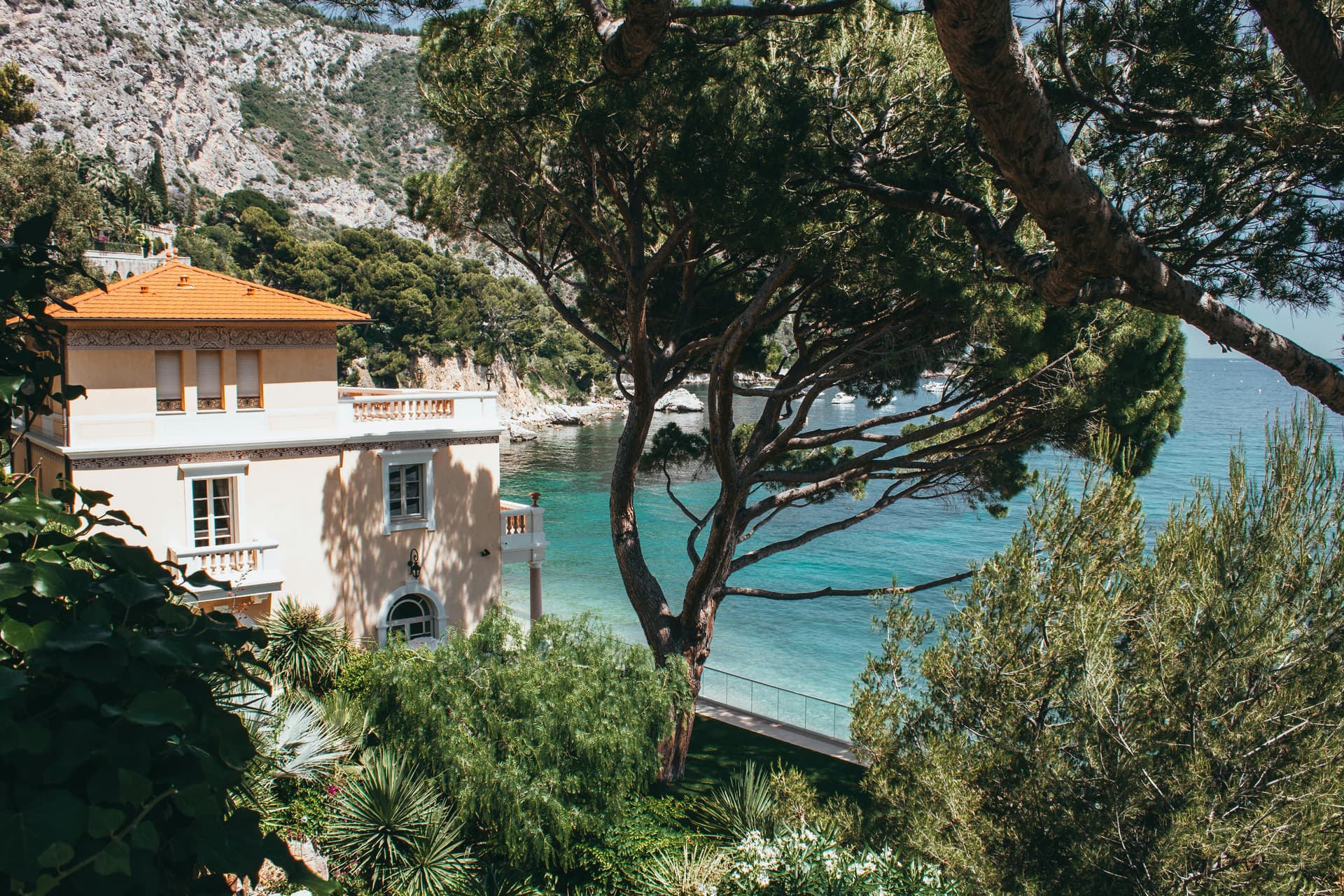
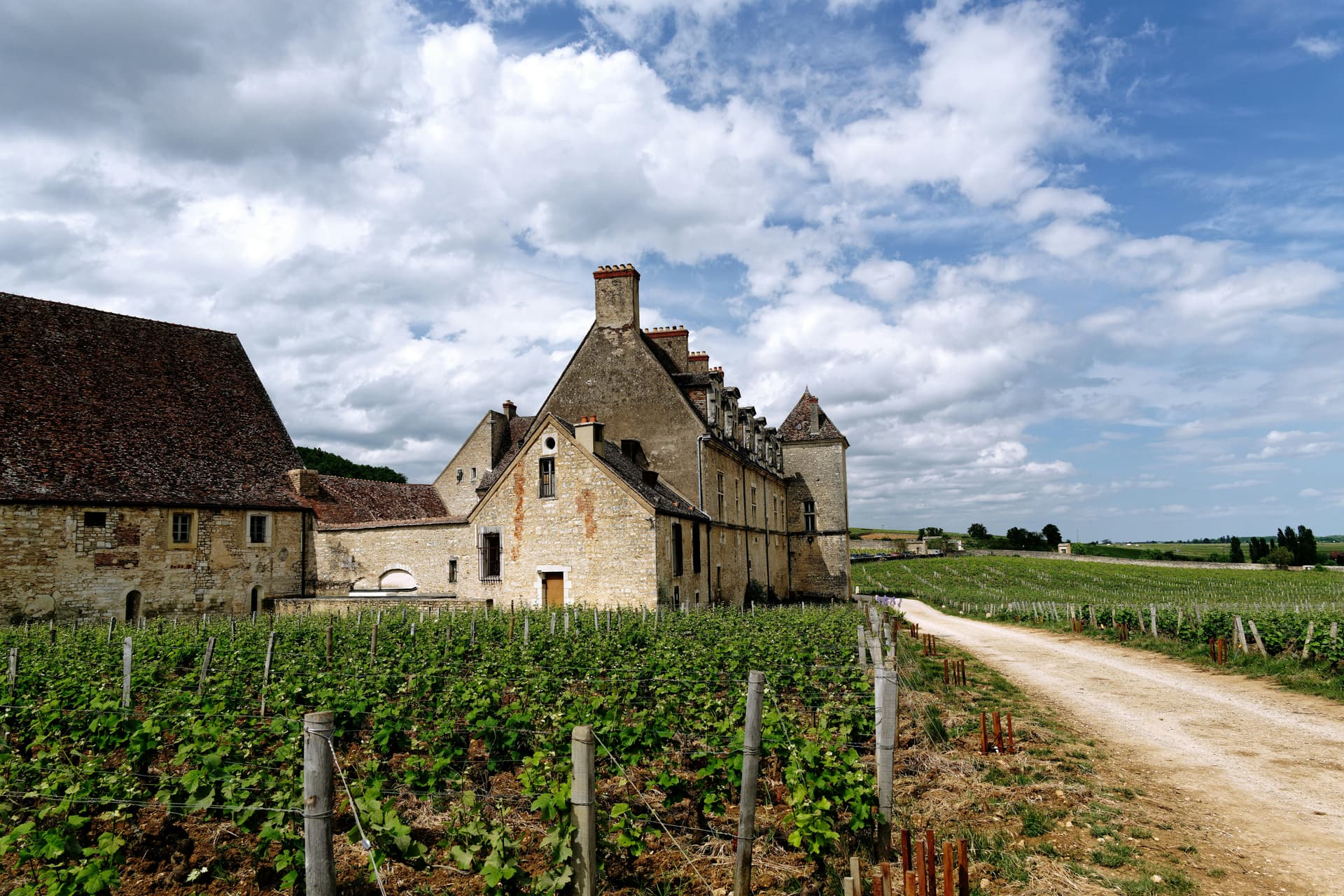
This is the mistake I probably correct the most in first drafts of a client's wish list. The itinerary usually looks something like Paris, the Loire Valley, Provence, and the Riviera, all within ten days — a plan that looks reasonable on a map and turns out to mean more time in train stations and packing suitcases than actually experiencing any of those places. France's regions are close together on paper, but each one rewards staying long enough to slow down.
My general pacing rule: budget at least three to four nights per base, and for anything under two weeks, plan on Paris plus one, maybe two, additional regions rather than four. A trip built around Paris and the Loire Valley, or Paris and Provence, gives you real days in each place instead of a single rushed afternoon between train legs. Adding a region rarely adds much to the experience; it mostly adds transit time and laundry logistics. If you're not sure how to sequence a first trip, that pacing question is really the whole exercise.
Will My American Credit Card Actually Work in France?
Mostly, yes, but with one specific gap worth knowing about. Most US-issued cards are chip-and-signature rather than chip-and-PIN, which is the standard in France. In practice, staffed registers and restaurant terminals accept chip-and-signature cards without any trouble — the cashier simply processes the transaction manually if a PIN prompt doesn't apply. Contactless tap-to-pay is also widely accepted across France for smaller purchases, generally up to around fifty euros, without needing a PIN or signature at all.
Where American cards genuinely trip people up is unattended machines: train ticket kiosks, highway toll booths, unattended gas pumps, and some parking machines, which sometimes require a PIN to complete the transaction and will reject a signature-only card outright. My advice to clients is simple — carry a small amount of euro cash as backup for exactly those situations, and if your bank can issue a PIN for your card (most can, even for signature cards), set it before you fly.
Do I Need to Reserve Every French Train Seat in Advance?
Not every train, but more than most first-time visitors assume. Every TGV high-speed train requires a mandatory seat reservation, with your specific car and seat printed on the ticket — there is no such thing as a walk-up, unreserved TGV seat. Booking windows open roughly four months ahead, and pricing is dynamic like airfare, so the same Paris-to-Lyon or Paris-to-Bordeaux route can cost two or three times more if you wait until the week of travel.
Regional TER trains are the exception — no reservation required, just buy a ticket and board. Ticket validation rules have been in flux; the old requirement to stamp paper tickets in the yellow composter machines on the platform is being phased out region by region, so I still tell clients to validate if a machine is present and they're unsure, since an unvalidated ticket can technically mean a fine. I cover the full station-by-station logistics, including which of Paris's six train stations serves which region, in a separate guide — worth a read before your first French rail trip.
Is Tipping Required in France?
No, and over-tipping is one of the more harmless but very common first-time mistakes. French law builds service into the price you see on the menu, so a restaurant bill already reflects a fair wage for the staff, whether or not the menu explicitly says "service compris." That means there is no expectation of the fifteen-to-twenty percent American-style tip, and calculating one that way isn't necessary or even standard practice.
That doesn't mean tipping is unwelcome. Rounding up the bill or leaving a couple of euros in cash for solid service is a normal, appreciated gesture, and five to ten percent is genuinely generous for an exceptional meal. I go into the full etiquette — from bread rules to how the check works — in my French dining etiquette guide, but the short version on tipping is: you are not underpaying anyone by skipping the American math.
Am I Assuming French Restaurants Work the Way They Do at Home?
Frequently, yes, and it's an easy assumption to bring over without realizing it. French restaurants keep firm service hours — lunch roughly noon to two, dinner from seven to ten — and showing up at three in the afternoon expecting a hot meal simply won't work, since the kitchen closes between services. Reservations matter more than American visitors expect, too; a half-empty dining room doesn't mean walk-ins are welcome, since those tables are often held for people who called ahead.
The other habit that surprises first-timers is the check. Servers won't bring your bill until you ask for it — rushing diners out is considered poor service in France, not good service — so you'll need to catch your server's eye and ask for "l'addition, s'il vous plaît" when you're ready. None of this is unfriendly; it's just a different rhythm, and once you expect it, it stops feeling like friction.
How France Awaits Travel Helps First-Time Visitors Avoid These Mistakes
Every mistake above has a straightforward fix once you know it's coming, and that's really the value of planning a trip with someone who has made the France-specific mistakes already so you don't have to. I build custom itineraries that lock in the timed tickets, the train reservations, and the realistic pacing before they become a problem on the ground, rather than a scramble at the Louvre entrance. If you'd like help getting your first France trip right from the start, get in touch and tell me your dates.
FAQ
Do I need to book Versailles and Louvre tickets before I arrive in France?
Yes. The Louvre requires a timed-entry booking for every visitor, released roughly three months ahead, with reservations mandatory for the entire July-to-August period and popular dates selling out six to eight weeks early. The Palace at Versailles also requires a timed slot, with summer weekends and holidays commonly selling out four to six weeks in advance. Book both as soon as your travel dates are confirmed.
Is tipping expected in French restaurants?
Not in the American sense. French law builds service into the listed menu prices, so restaurant staff already earn a fair wage without relying on gratuities. Rounding up the bill or leaving a couple of euros in cash for good service is appreciated, and five to ten percent is considered generous for an exceptional meal, but calculating a fifteen-to-twenty percent tip the way you would at home is not necessary or expected.
Will my American credit card work in France?
Mostly. Most US cards are chip-and-signature rather than chip-and-PIN, but staffed registers and restaurants handle this without issue, and contactless tap-to-pay works widely for smaller purchases. The friction point is unattended machines, such as train ticket kiosks and toll booths, which sometimes require a PIN and can reject signature-only cards. Carry some euro cash as backup, and set a PIN on your card before you travel if your bank allows it.
Do I need a reservation for every train I take in France?
No, but for more trains than most visitors assume. Every TGV high-speed train requires a mandatory seat reservation with your car and seat printed on the ticket, and booking early matters since fares rise the closer you get to departure. Regional TER trains are the exception and need no reservation at all — just buy a ticket and board, though it's worth validating it on the platform if a composter machine is present.
What's the biggest itinerary-planning mistake first-time visitors make in France?
Trying to fit too many regions into too short a trip. A common first draft has Paris, the Loire Valley, Provence, and the Riviera all inside ten days, which mostly adds train time and repacking rather than real experience in any one place. A better rule is at least three to four nights per base, and for trips under two weeks, one or two regions beyond Paris rather than four.
Sources
- Château de Versailles — Official 2026 Ticketing Information
- Musée du Louvre — Official Ticketing Platform
- Seat61 — Train Travel in France 2026: Trains, Tickets & Rail Passes
- Rick Steves — Will My Credit Card Work in Europe?
- NerdWallet — The Guide to Tipping in France
- La French Zone — August Vacation in France: Why the French Disappear