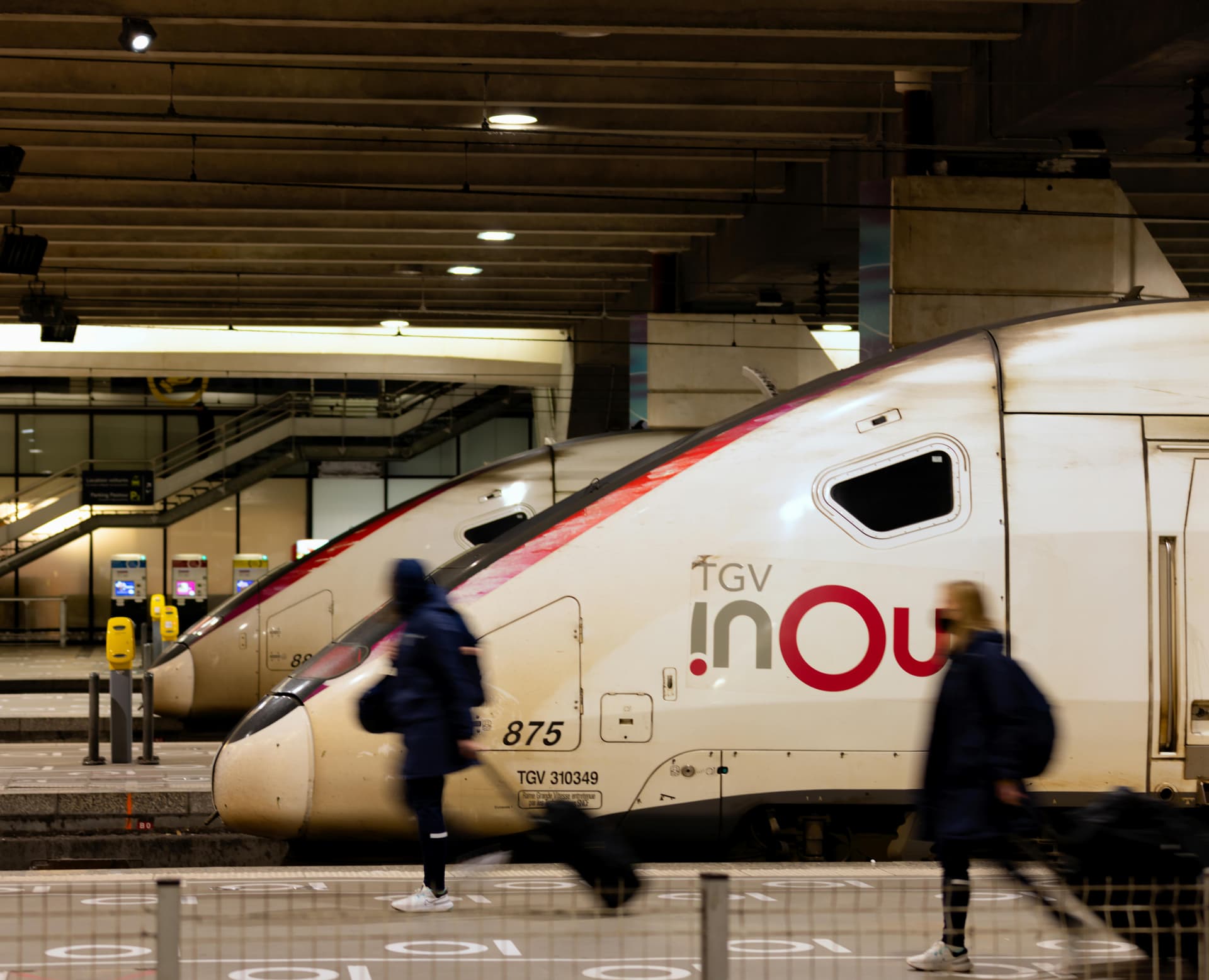

France boasts one of Europe's best rail networks. The TGV (Train à Grande Vitesse) can whisk you from Paris to Lyon in two hours, and smaller lines connect most destinations worth visiting. But the system has peculiarities that trip up visitors who don't know the rules.
This guide covers everything you need to navigate French trains with confidence.
Understanding the System
Train Types
TGV (Train à Grande Vitesse) High-speed trains connecting major cities. Paris to Lyon — gateway to the Rhône Valley's vineyards — takes 2 hours. Paris to Marseille: 3 hours. Paris to Bordeaux: 2 hours. Reservations are mandatory.
Intercités Traditional long-distance trains serving routes without TGV service. Slower but often more scenic. Some routes require reservations; others don't.
TER (Transport Express Régional) Regional trains operated by different regions. No reservations needed — just buy a ticket and hop on any train.
Ouigo SNCF's low-cost TGV option. Departures often from secondary stations (Marne-la-Vallée near Disneyland, Lyon Part-Dieu instead of Lyon Perrache). No refunds or changes. Much cheaper if you're flexible.
Key Terminology
- Correspondance: Connection (when changing trains)
- Voie: Platform
- Composter: To validate (punch) your ticket
- Départ: Departure
- Arrivée: Arrival
- En provenance de: Coming from
- À destination de: Going to
Booking Tickets
When to Book
- TGV prices are dynamic — book early for best prices
- Bookings open 4 months ahead for most TGV routes
- Prem's fares offer deep discounts but no exchanges/refunds
- Regional trains can usually be bought same-day
Where to Book
SNCF Connect App/Website: The official source. Works well but can be confusing. Accepts international cards.
Trainline: Easier interface, slight booking fee. Aggregates multiple providers.
Station Machines: English available. Accept cards but sometimes reject American ones (chip issues).
Station Windows: For complex itineraries or when machines fail.
Important Booking Tips
- Print tickets or download to phone — paper or mobile work equally
- Match the name on ticket to ID — they check, especially on TGV
- Seat assignments on TGV are mandatory — your seat is printed on the ticket
- Quiet cars exist — request "voiture silence" when booking if interested
Station Survival
Paris Stations
Paris has six major stations, each serving different regions:
- Gare du Nord: Northern France, Belgium, UK (Eurostar), Netherlands
- Gare de l'Est: Eastern France, Germany, Switzerland
- Gare de Lyon: Southeast France (Lyon, Provence, Riviera), Switzerland, Italy
- Gare Montparnasse: Western France (Brittany, Bordeaux, Loire)
- Gare Saint-Lazare: Normandy
- Gare d'Austerlitz: Central/Southwest France, some Ouigo services
Allow 30+ minutes to cross Paris between stations. Metro connections exist but involve walking and stairs.
Finding Your Train
- Platform announcements come 15-20 minutes before departure (stressful for TGV passengers)
- Departure boards (yellow) show platforms when available
- Composition panels at some stations show which car stops where on platform
- Head to the correct platform zone — platforms are long
Before Boarding
- Validate TER tickets at yellow machines on platforms (failure = fine)
- TGV and Intercités tickets don't need validation — the system changed
- Check the train destination on the front/side of the train
On the Train
Finding Your Seat
TGV cars are numbered, and seats are numbered within each car. Your ticket shows: Voiture (car) and Place (seat).
- Sens de marche: Facing direction of travel
- Contre sens de marche: Facing backward
- Côté fenêtre: Window
- Côté couloir: Aisle
Luggage
- Large bags go in racks at car ends or overhead
- Keep valuables with you — theft does occur
- Baggage isn't weighed or checked — bring what you can carry
Food and Drink
- TGV trains have bar cars with sandwiches, drinks, and snacks
- Prices are reasonable by train standards
- First class often includes food on certain routes
- Bring your own for early/late trains when bar cars may be closed
WiFi and Power
- WiFi is free on TGV but can be spotty
- Power outlets are available at seats on TGV and most Intercités
- TER varies — newer trains have outlets, older ones don't
Common Problems and Solutions
Missed Connection
If you miss a connection due to SNCF delay, find the office marked "Service Relation Voyageurs" in the station. They'll rebook you on the next available train for free.
Strike Days
French rail workers strike periodically. SNCF announces service levels in advance (usually 1 train in 3 or 1 in 2). Check before traveling and book specific trains showing "confirmed" status.
Ticket Issues
If your e-ticket won't display, show the confirmation email with booking reference. Conductors can usually verify electronically.
Money-Saving Strategies
Discount Cards
- Carte Avantage Jeune (12-27 years): 30% off TGV
- Carte Avantage Week-end: Discounts for couples/groups traveling weekends
- Carte Avantage Senior (60+): 30% off TGV
Cards cost €49/year and pay for themselves in 2-3 trips.
Tactical Booking
- Ouigo for budget travel (accept the limitations)
- Book segments separately — sometimes Paris-Lyon + Lyon-Marseille costs less than Paris-Marseille direct
- Travel off-peak — early morning and late evening trains are cheaper
- Check Intercités — traditional trains are often cheaper than TGV for the same route
Regional Variations
Different regions operate TER trains with different quirks:
- Provence has separate ticket machines for TER
- Alsace shares operations with German railways in some areas
- Rural lines may have limited services — check schedules carefully, especially the branch line to Pontorson for Mont-Saint-Michel
Final Thoughts
French trains are among the world's best — fast, frequent, and remarkably on-time by American standards. The system just requires understanding its logic.
Book TGV tickets early, validate TER tickets, and check platforms before boarding. Do these things and French rail travel becomes a pleasure rather than a puzzle.
The view out a TGV window as France rushes by at 300 km/h is one of travel's great experiences. Now you know how to enjoy it.
FAQ
Do you need to reserve seats on French trains?
It depends on the train. TGV reservations are mandatory, with your seat printed on the ticket, and some Intercités routes require them too. TER regional trains need no reservation at all; just buy a ticket and board any train, though tickets must still be validated at platform machines before boarding.
Do you need to validate train tickets in France?
Only for TER regional tickets, which must be validated at yellow machines on the platform before boarding, or you risk a fine. TGV and Intercités tickets no longer require validation, since the system changed, though it's worth checking the train's destination display before boarding either way.
How far in advance should you book TGV tickets?
Bookings typically open about four months ahead for most TGV routes, and prices are dynamic, so booking early secures the best fares. Discounted Prem's fares offer deep savings but allow no exchanges or refunds, while regional TER trains can usually be bought the same day you travel.
What happens if you miss a train connection in France?
If you miss a connection because of an SNCF delay, look for the office marked Service Relation Voyageurs in the station. Staff there will rebook you onto the next available train at no charge, so there's no need to panic or buy a new ticket.
How can you save money on French train travel?
Discount cards like the Carte Avantage Jeune, Weekend, or Senior cost around forty-nine euros a year and pay for themselves within two or three trips. Other tactics include booking the budget Ouigo service, splitting a journey into separate segments, traveling off-peak in early morning or late evening, and comparing Intercités fares against TGV.