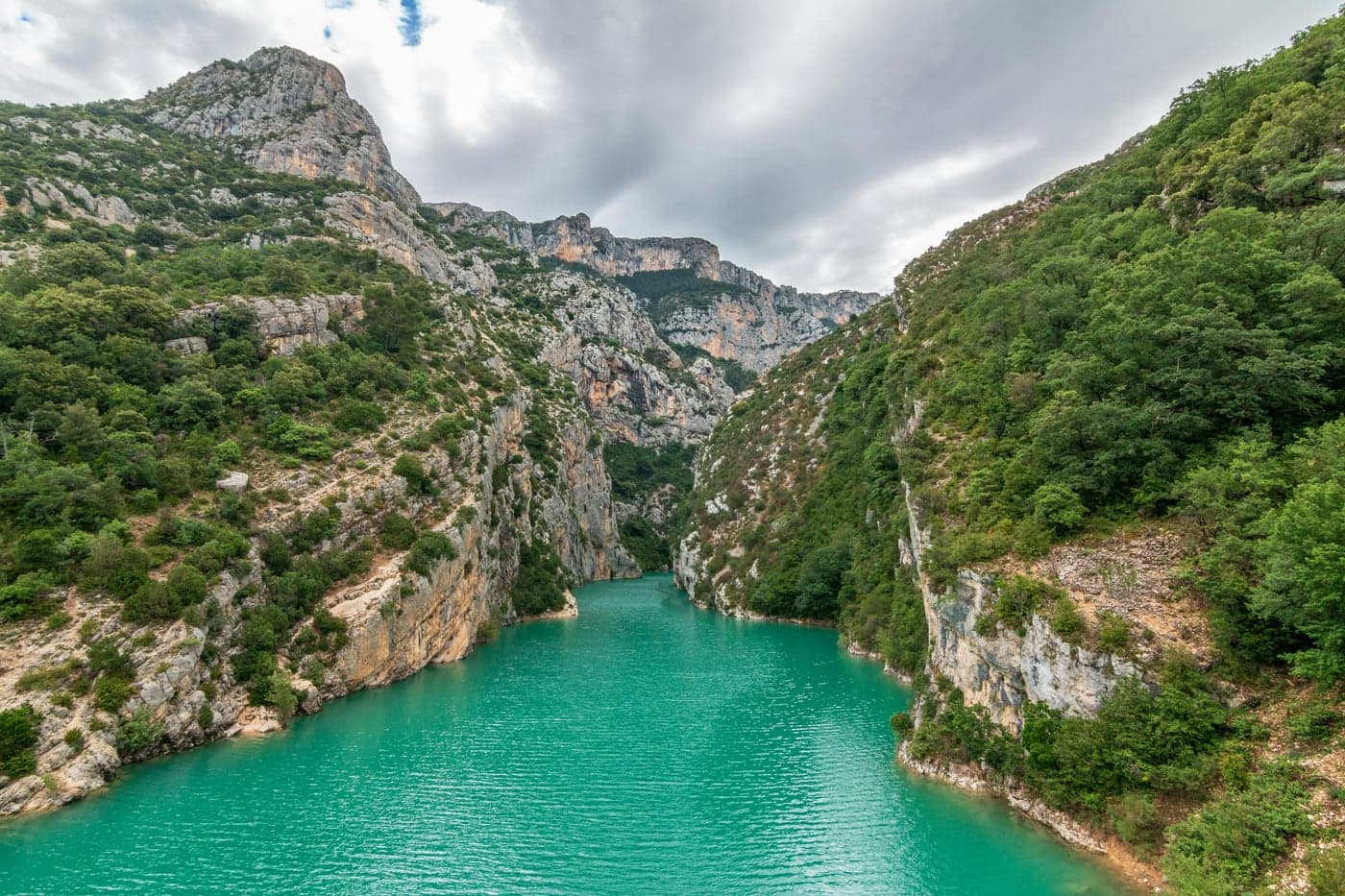

Where the Verdon River has spent millions of years carving through Provençal limestone, the result rivals America's Grand Canyon in sheer cliff drama—and surpasses it in the impossible emerald green of waters far below.
France's Natural Wonder
The Gorges du Verdon cuts through the Provence-Alpes-Côte d'Azur region like a wound in the earth, its limestone walls plunging 700 meters to a river whose color seems digitally enhanced. This is Europe's deepest gorge, a natural wonder that remained largely unknown outside France until the mid-20th century and still receives far fewer visitors than its American cousin despite comparable spectacle.1
The gorge stretches approximately 25 kilometers from Rougon in the east to where it opens into the man-made Lac de Sainte-Croix in the west. Throughout this length, the canyon maintains extraordinary depth and dramatic scenery—viewpoints from either rim reveal vertigo-inducing drops, while access to the river itself requires either significant hiking or watercraft navigation through a landscape that feels impossibly wild for civilized Europe.
The Verdon's distinctive color—an intense turquoise-green unlike almost any other river—results from the limestone through which it flows. Dissolved minerals, particularly calcium carbonate, and the reflection of the white canyon walls combine to create this signature hue, varying with light conditions and season but always startling against the grey-white cliffs and Mediterranean blue sky.2
Rim Experiences: Views from Above
The Corniche Sublime (South Rim)
The most spectacular driving route, the Corniche Sublime follows the D71 along the southern rim, providing a succession of viewpoints over approximately 20 kilometers of canyon. The road itself constitutes an engineering achievement—carved into cliff faces, passing through tunnels, occasionally offering views through natural rock windows.3
Key stops along the Corniche Sublime include:
Balcons de la Mescla: Where the Verdon meets its tributary the Artuby, viewpoints survey the junction from high above. The word "mescla" derives from the Provençal for "mixture"—here, two canyons join in spectacular fashion.
Pont de l'Artuby: Europe's highest bridge when completed in 1940, spanning 180 meters above the Artuby tributary. Bungee jumping operates from the bridge for those seeking extreme perspective.
Falaises de Baucher: Sheer cliffs dropping to the river, with viewpoints providing vertiginous outlook.
Tunnels de Fayet: A series of road tunnels with windows carved into the rock, offering dramatic framed views.
Allow 2-3 hours to drive the Corniche Sublime properly, stopping at viewpoints and absorbing the scale. The road is narrow with limited passing; larger vehicles should exercise caution.
The Route des Crêtes (North Rim)
The northern rim route (D23), known as the Route des Crêtes, offers complementary perspectives on the canyon. Beginning near La Palud-sur-Verdon and extending approximately 23 kilometers, this circuit provides viewpoints that rival the Corniche Sublime in drama while adding the height advantage of the northern plateau.4
The route passes through 14 tunnels and reaches numerous belvederes including:
Point Sublime: Perhaps the most famous viewpoint, offering panoramic survey of the canyon's eastern section. A trailhead here provides access to the Couloir Samson and the river below.
Belvedère de l'Escalès: Views over the canyon's narrowest and deepest section, where climbers are visible on the enormous cliffs opposite.
Belvedère de la Dent d'Aire: Named for the tooth-shaped rock formation, with views extending to the distant Mediterranean on clear days.
The Route des Crêtes forms a one-way circuit in summer months, controlling traffic flow through its narrowest sections. Off-season, two-way traffic operates with caution required.
Combining the Rims
A complete circuit—driving both the Corniche Sublime and the Route des Crêtes with stops at major viewpoints—requires a full day. The roads connect at either end of the gorge, allowing counterclockwise or clockwise circuits. Most visitors choose based on accommodation location; those staying near Moustiers-Sainte-Marie typically begin with the Corniche Sublime, while those based in Castellane may prefer starting with the Route des Crêtes.
Down in the Canyon
Sentier Martel: The Classic Trek
Named for Édouard-Alfred Martel, the speleologist who first explored the gorge's interior in 1905, the Sentier Martel represents one of France's most celebrated hikes. This 14-kilometer route traverses the canyon bottom from the Chalet de la Maline to Point Sublime, requiring 5-8 hours and offering intimate experience of the gorge's immense scale.5
The trail involves:
- Descent of 900 meters via the Brèche Imbert couloir
- River crossings (some on stepping stones, others via cable)
- Passage through tunnels (headlamp essential)
- Ladders and exposed sections requiring sure-footedness
- Ascent of 300 meters to Point Sublime
Important considerations:
- Not for inexperienced hikers or those uncomfortable with heights
- Two cars required (start and finish points differ) or hitchhiking/taxi return
- Excellent footwear essential; water and food must be carried
- Summer crowds may slow passage through narrow sections
- Trail closes during high water; check conditions before starting
The experience justifies the effort. Walking the canyon floor provides perspective impossible from rim viewpoints—the walls rising hundreds of meters on either side, the river's green water within arm's reach, the sensation of having entered a world apart.
Sentier de l'Imbut
For even more adventurous hikers, the Sentier de l'Imbut follows the canyon bottom for approximately 6 kilometers, ending at a point where the river disappears into an underground passage (the "imbut" or funnel). This challenging route involves scrambling over boulders, swimming through pools, and navigating rope-assisted passages—essentially canyoneering without the technical equipment.6
The trail is officially discouraged due to accidents, but experienced hikers continue to use it. Those attempting it should:
- Be comfortable with technical terrain and water immersion
- Carry supplies in waterproof bags
- Never go alone
- Check water conditions—high flows make the route dangerous to impossible
Aquatic Adventures
The Verdon's emerald waters invite exploration by boat and body. Various options accommodate different skill levels and adventure thresholds:
Kayaking and canoeing: Guided trips navigate sections of the canyon, ranging from gentle paddles suitable for families to multi-day wilderness expeditions through the most dramatic sections. The classic route through the canyon proper requires Class III-IV skills and a full day.
Pedal boats and electric boats: At Lac de Sainte-Croix (where the gorge meets the lake), these rental craft allow exploration of the canyon mouth—paddling between towering walls without the commitment of serious whitewater.
Swimming: The lake provides swimming opportunities in the distinctive turquoise water; the canyon itself offers pools and beaches accessible via hiking.
Canyoneering: Professional guides lead technical descents through tributary canyons, involving rappels, jumps, and swimming through confined spaces. These trips require no prior experience but demand physical fitness and comfort with challenging terrain.
The Gateway Towns
Moustiers-Sainte-Marie
If the Verdon Gorge constitutes natural spectacle, Moustiers-Sainte-Marie provides architectural complement. This village, wedged into a break in cliff walls, has been designated among France's "Plus Beaux Villages" for good reason—its setting is extraordinary, and its faience (glazed pottery) tradition provides cultural substance.7
The village rises steeply from a central square, its houses climbing toward the Notre-Dame de Beauvoir chapel, which perches improbably above. Between the two cliff sections that frame the village, a gold star hangs suspended on a chain—according to legend, placed there by a knight fulfilling a crusading vow, though historically dated to later medieval times.
The faience industry, established in the 17th century, made Moustiers famous throughout Europe for its distinctive glazed pottery. The tradition continues, with numerous ateliers producing and selling work that ranges from tourist souvenirs to genuine art pottery.
As the Verdon's most charming gateway, Moustiers offers the best selection of accommodation and dining. Summer evenings, when day-trippers depart and the village settles into local rhythm, provide the optimal experience.
Castellane
At the gorge's eastern end, Castellane offers less charm but more practical services—banks, supermarkets, outdoor equipment shops. The town is dominated by its roc, a massive limestone outcrop crowned by the Notre-Dame du Roc chapel, reached by a zigzag path that provides fine views.
Castellane serves as the base for whitewater operations on the Verdon's upper section, where rapids suitable for rafting and kayaking provide different character from the gorge proper. The town's accommodation suits visitors prioritizing activity over atmosphere.
La Palud-sur-Verdon
The small village of La Palud sits directly above the gorge's north rim, making it the most convenient base for serious hiking. The Sentier Martel and other canyon trails begin within short distance; the Route des Crêtes passes through. Accommodation is limited but authentic; the town serves climbers and hikers rather than casual tourists.
Aiguines
Overlooking the Lac de Sainte-Croix from its promontory, Aiguines provides dramatic perspective on the gorge's western end. The village maintains traditional wood-turning craft (particularly boxwood items) alongside tourism services. Its castle, privately owned but photogenic, adds architectural interest.
Practical Planning
Getting There
The Verdon Gorge lies approximately:
- 130 km from Marseille, home base for the Calanques
- 100 km from Aix-en-Provence
- 90 km from Nice (though the route is winding), making it a possible detour for travelers exploring the Riviera beyond its beaches
- 140 km from Avignon
A car is essential. No public transportation serves the gorge or its gateway towns; the narrow roads and scattered viewpoints require personal vehicle. Rental from Marseille, Nice, or Aix-en-Provence provides flexibility.
When to Visit
Spring (April-June): Perhaps ideal—comfortable temperatures, full river flows, fewer crowds than summer. Wildflowers carpet the plateau; the canyon's greens are at their most intense.
Summer (July-August): Peak season brings heat, crowds, and premium prices. Water activities are at their prime; the lake achieves swimming temperature. Early mornings and late afternoons provide the best viewing conditions.
Autumn (September-October): Excellent visiting conditions with diminishing crowds and pleasant temperatures. Water levels drop, changing the canyon's character but maintaining beauty. Some services may reduce hours.
Winter (November-March): Many facilities close, and roads may be affected by weather. However, the gorge maintains dramatic beauty; those comfortable with limited services find rewarding solitude.
Where to Stay
Moustiers-Sainte-Marie: The atmospheric choice, with varied accommodation from simple chambres d'hôtes to comfortable hotels. Reserve well in advance for summer visits.
Castellane: More practical than charming, with activity-focused accommodation suited to hiking and water sports bases.
La Palud-sur-Verdon: Best for serious hikers seeking proximity to canyon trails.
Lac de Sainte-Croix surroundings: Various campgrounds and gîtes suit families and those prioritizing water activities.
Safety Considerations
The Verdon rewards respect for its hazards:
Driving: Roads are narrow, winding, and exposed. Take time; rushing invites disaster. Pull completely off pavement at viewpoints.
Hiking: Canyon trails involve serious terrain—exposure, loose rock, ladders, and water crossings. Proper footwear is mandatory; hiking poles help. Never hike alone in the canyon.
Swimming: Lake and river temperatures remain cold; currents exist even in seemingly calm water. Supervise children constantly.
Weather: Conditions change rapidly; afternoon thunderstorms are common in summer. Start hikes early; watch for developing clouds.
Beyond the Gorge
Lac de Sainte-Croix
Where the gorge opens westward, the man-made Lac de Sainte-Croix spreads across 2,200 hectares of flooded valley. The reservoir, created in 1973, provides water and electricity for Provence—and incidentally created one of the region's most beautiful lakes.8
The lake's waters maintain the Verdon's distinctive color, spreading turquoise across a landscape of lavender fields and Provençal villages. Beaches ring the shoreline; water sports of all kinds operate through summer. The view from Moustiers—lake below, mountains beyond—achieves genuine magnificence.
Where the gorge meets the lake, boats can penetrate approximately 1 kilometer upstream into the canyon's lower section. This accessible taste of the gorge—walls rising on either side, the distinctive water below—provides spectacle for those unable or unwilling to attempt more demanding access.
Lavender Country
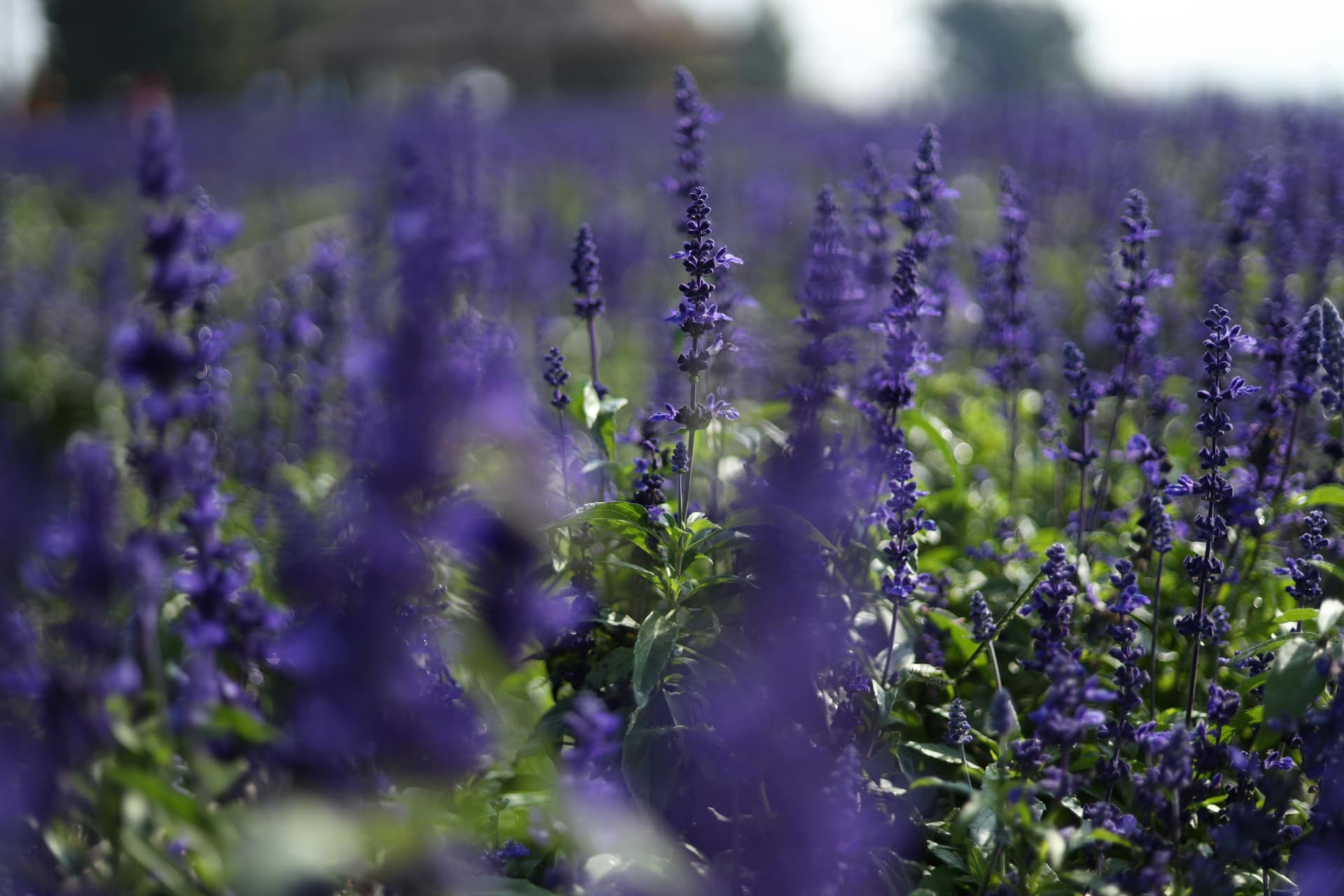
The plateau surrounding the Verdon produces lavender, and visitors in June-July encounter the purple fields that define Provence's visual identity. The area around Valensole, north of the lake, offers particularly concentrated displays—rows of lavender extending to mountain horizons, the air heavy with fragrance.
The Verdon Valley Below the Gorge
West of the lake, the Verdon continues through gentler terrain toward its confluence with the Durance. This section, while lacking the canyon drama, offers pleasant exploration—medieval villages, agricultural landscapes, the Romanesque Abbey of Saint-André-de-Rosans.
The Verdon Experience
Why It Matters
The Verdon Gorge demonstrates what Europe nearly lost. Through the mid-20th century, plans advanced to dam the canyon itself—flooding the spectacular interior to create another reservoir. Opposition, including from Martel's successors who documented the canyon's unique value, eventually secured protection, and the gorge became a regional natural park in 1997.9
Today, the gorge represents conservation success—but also ongoing challenge. Visitor numbers continue growing; infrastructure strains to accommodate demand; the tension between access and preservation plays out in debates over parking, trails, and services. Those who visit thoughtfully—staying on designated paths, respecting closures, supporting sustainable operations—contribute to continuing protection.
The Reward of Effort
The Verdon doesn't surrender its treasures easily. The rim drives require attention; the canyon hikes demand fitness; the water adventures involve skill and commitment. None of this happens as conveniently as a museum visit or a comfortable scenic drive.
This effort-required character is precisely what makes the Verdon special. The viewpoint reached after a winding road feels earned. The canyon floor, achieved through hours of hiking, reveals a world inaccessible to casual visitors. The kayak journey through emerald pools creates memories that passive viewing cannot match.
The Gorges du Verdon exists because a river had millions of years to carve it and because people had the wisdom to protect it. Visiting on its terms—accepting the effort, respecting the hazards, absorbing the scale—honors both the geology and the preservation that make this experience possible.
Frequently Asked Questions
How long do I need to visit the Gorges du Verdon?
A single day allows driving one rim route with viewpoint stops. Two days permit both rims plus lake activities or a shorter hike. Three days enable a major hike like the Sentier Martel plus comfortable rim exploration. Active visitors easily spend a week combining hiking, water activities, and village exploration.
Can I see the gorge without hiking?
Yes—the rim roads provide spectacular viewpoints accessible directly from parking areas. Most visitors experience the gorge primarily from their cars, stopping at successive belvederes. Boats on Lac de Sainte-Croix offer canyon-entrance views without walking.
Is the Sentier Martel dangerous?
The trail is challenging rather than dangerous for prepared hikers. It involves exposure (heights), uneven terrain, ladders, and simple water crossings. Those uncomfortable with heights, in poor physical condition, or lacking appropriate equipment should choose easier options. Accidents occur when hikers underestimate the trail's demands.
Can I swim in the Verdon River?
Swimming is possible at various points along the river and throughout Lac de Sainte-Croix. Water temperatures remain cold; the river's current requires respect. Swimming within the canyon proper requires hiking to reach—the Sentier Martel passes swim-worthy pools.
What's the best viewpoint in the Gorges du Verdon?
Point Sublime lives up to its name for overall canyon panorama. The Balcons de la Mescla on the Corniche Sublime offers perhaps the most dramatic single view. Photography benefits from multiple locations at different times of day—morning light serves the south rim; afternoon favors the north.
Is the Verdon Gorge suitable for families with children?
Rim drives and lake activities suit families well—children enjoy the viewpoints and lake swimming. The canyon hikes (Sentier Martel, Sentier de l'Imbut) are inappropriate for young children. Guided water activities offer family options on the lake and gentler river sections.
References
- Parc Naturel Régional du Verdon. "The Verdon Gorge: Geology and Conservation." Official Documentation, 2023.
- BRGM (Bureau de Recherches Géologiques et Minières). "Hydrogeology of the Verdon Basin." Research Report, 2020.
- Direction des Routes, Département du Var. "Corniche Sublime: Engineering and History." Technical Documentation, 2018.
- Direction des Routes, Département des Alpes-de-Haute-Provence. "Route des Crêtes: Visitor Guide." 2023.
- Fédération Française de la Randonnée Pédestre. "Sentier Martel: Trail Guide." FFRandonnée, 2022.
- Parc Naturel Régional du Verdon. "Sentier de l'Imbut: Access and Safety Information." Warning Notice, 2024.
- Association des Plus Beaux Villages de France. "Moustiers-Sainte-Marie: Village Guide." 2023.
- Société du Canal de Provence. "Lac de Sainte-Croix: History and Management." Technical Report, 2021.
- Parc Naturel Régional du Verdon. "Creation and Mission: 25 Years of Protection." Anniversary Publication, 2022.