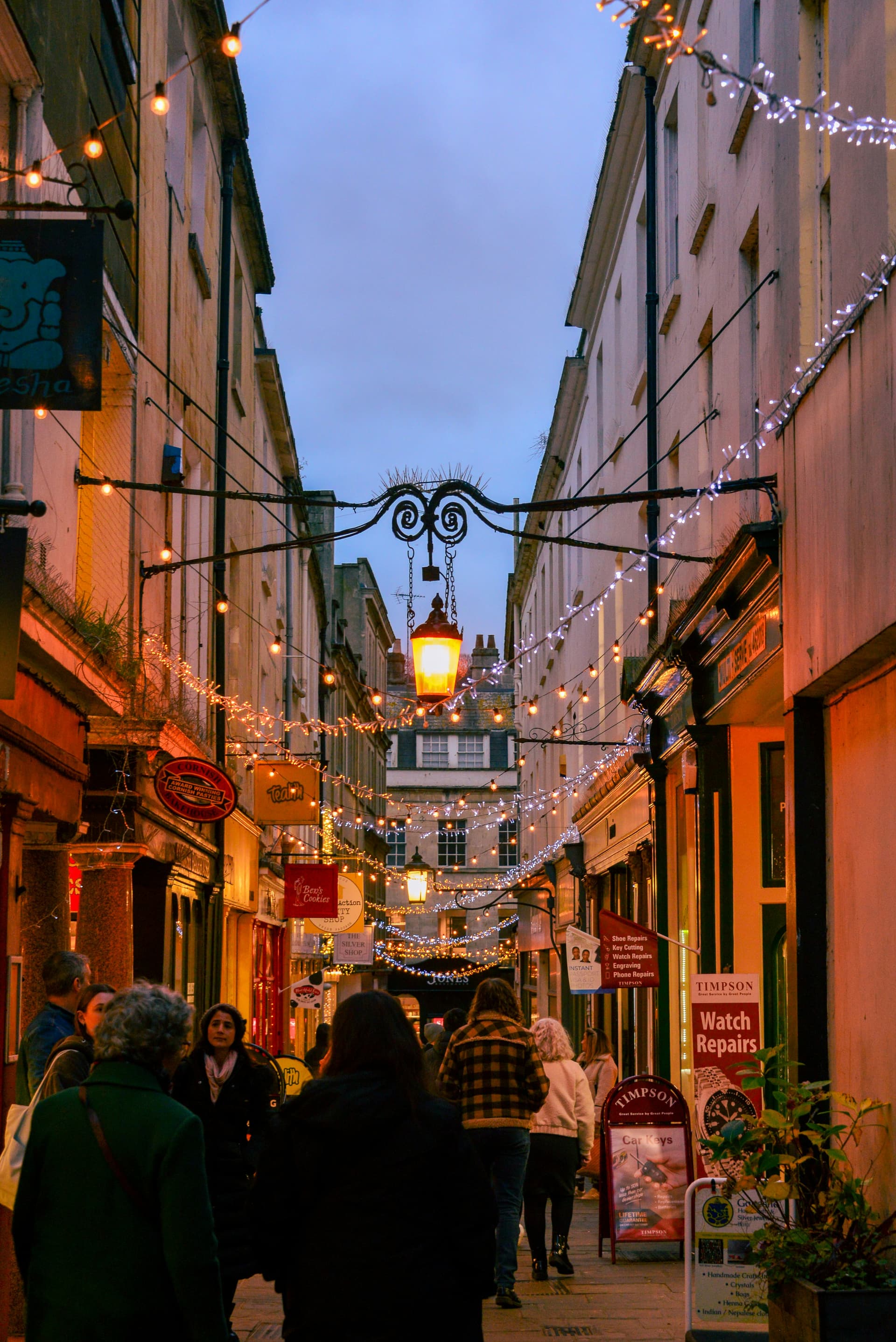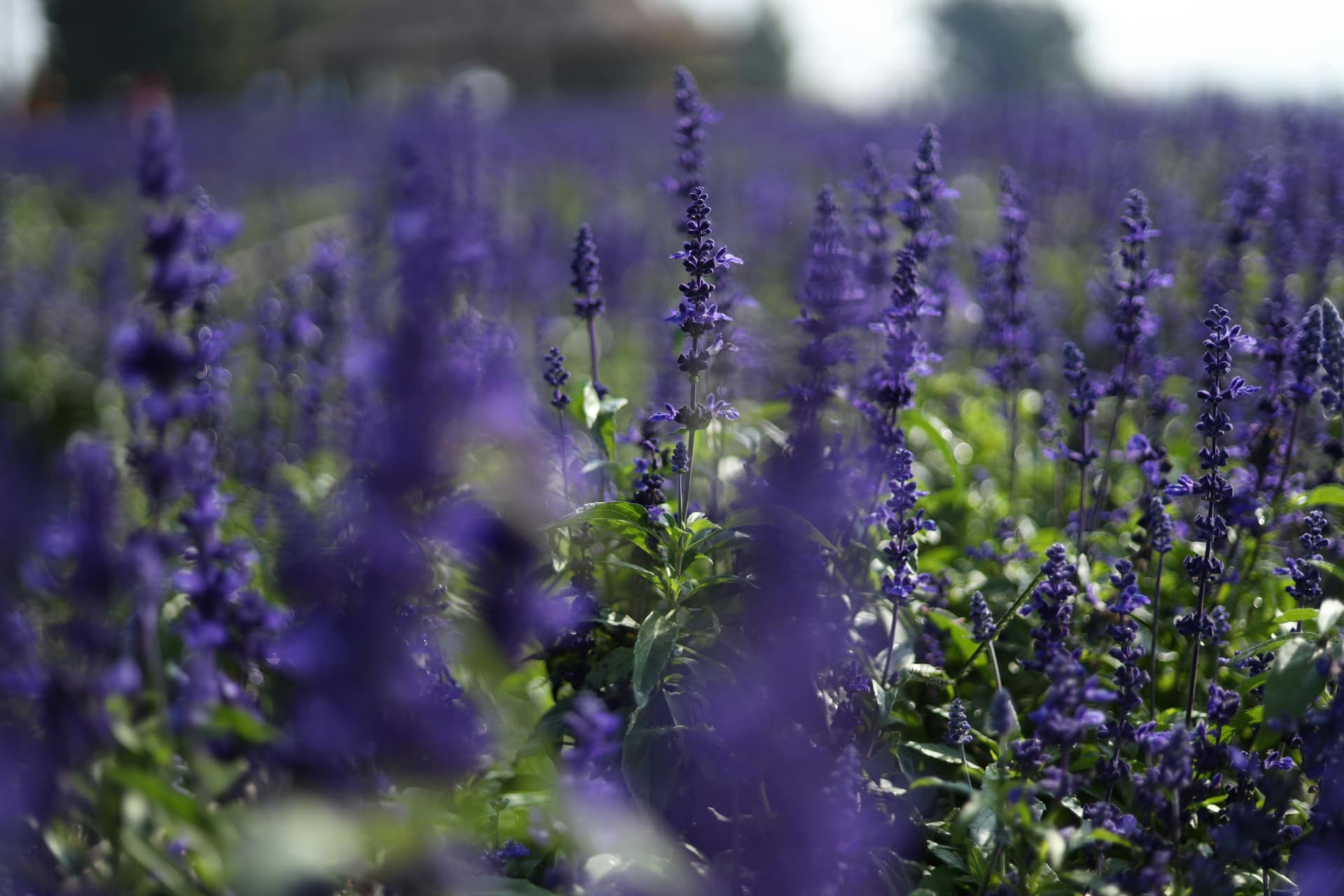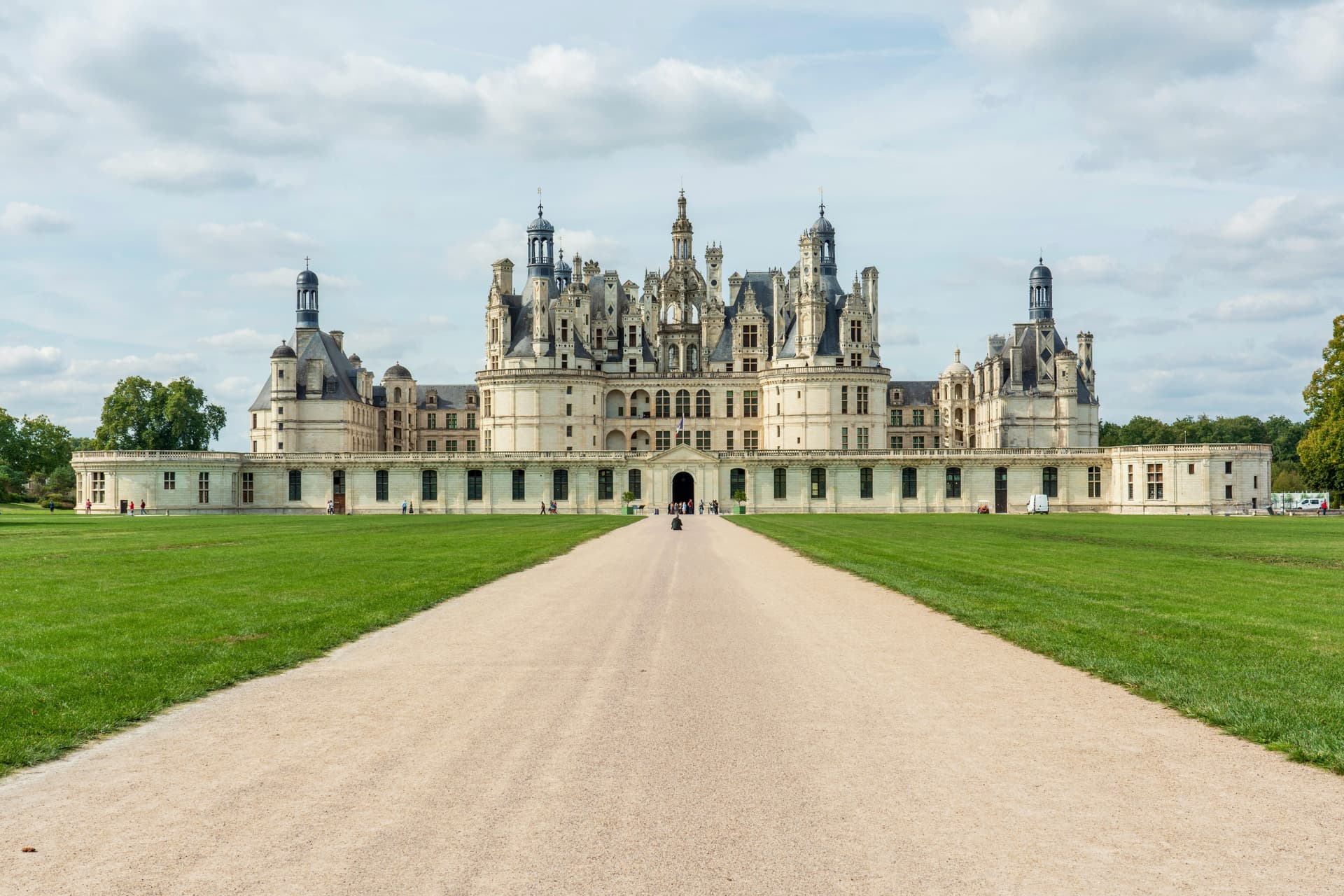

Beneath the white limestone peaks of the Alpilles, where olive groves shimmer silver in the afternoon light and cicadas provide summer's incessant soundtrack, Saint-Rémy-de-Provence embodies everything visitors imagine when they dream of Provence.
Where Provence Achieves Perfection
Some towns arrive at their character through centuries of accumulated accident—a church built here, a market established there, residents whose collective choices gradually shape a personality. Saint-Rémy-de-Provence feels different. It feels intentional, as if some benevolent designer gathered all the essential elements of Provençal life—Roman ruins, medieval streetscapes, aristocratic mansions, leafy boulevards, vibrant markets, artistic heritage—and arranged them within walking distance, creating a destination that exceeds even romantic expectations.
The town sits at the base of the Alpilles, a dramatic chain of limestone hills that rise suddenly from the Rhône plain like a miniature mountain range. These peaks, their white rock brilliant against Mediterranean blue skies, provide the backdrop for everything Saint-Rémy offers: archaeological sites in their shadow, hiking trails along their ridges, the visual drama that transforms ordinary views into compositions worthy of the artists who have long gathered here.1
With a population of approximately 10,000, Saint-Rémy maintains genuine year-round community beneath its tourist appeal. The Wednesday market that draws visitors from across Provence also serves local households; the restaurants that earn guidebook praise also feed regular customers who greet staff by name. This balance—destination sophistication with working-town authenticity—distinguishes Saint-Rémy from villages that have surrendered entirely to tourism.
Van Gogh's Transformative Year
The Asylum at Saint-Paul-de-Mausole
No discussion of Saint-Rémy can avoid Vincent van Gogh, whose stay here from May 1889 to May 1890 produced some of art history's most celebrated works. The painter checked himself into the asylum at Saint-Paul-de-Mausole following his mental breakdown in Arles—the episode that culminated in his severing his own ear. At Saint-Rémy, he found both the treatment his condition required and the landscapes that transformed his artistic vision.2
The monastery-turned-asylum, located just south of the town center, remains a functioning psychiatric facility, but visitors can tour Van Gogh's reconstructed room and walk the gardens where he painted. The experience proves unexpectedly moving—standing where the artist stood, seeing the views that became "Irises," "The Starry Night," and dozens of other masterpieces, understanding how this specific place catalyzed genius.
During his year in Saint-Rémy, Van Gogh produced approximately 150 paintings and 100 drawings—a creative output remarkable both for quantity and quality.3 The swirling cypresses, the olive groves, the wheat fields beneath mountain silhouettes: these images have become so familiar through reproduction that encountering their actual subjects startles. The trees really do look like that. The light really does have that quality. Van Gogh didn't invent this landscape; he perceived it more clearly than others had managed.
Walking in Van Gogh's Footsteps
The town has developed a walking trail connecting sites where Van Gogh painted, with reproduction panels allowing visitors to compare finished works with current views. The 21 locations, identified through art historical research, span the immediate environs—the asylum gardens, surrounding olive groves, wheat fields, and the quarries whose dramatic rock formations appear in numerous canvases.4
The walk takes approximately two hours at moderate pace, longer if you pause to appreciate views and reflect on what the artist accomplished here. Early morning and late afternoon provide the best light—and the closest approximation to conditions Van Gogh himself would have encountered, working outdoors during times when Provençal intensity slightly softened.
Ancient Glaunum: Roman Provence
The Archaeological Site
If Van Gogh represents Saint-Rémy's artistic heritage, Glanum represents its deep historical roots. This archaeological site, located less than a kilometer from the asylum where Van Gogh stayed, preserves the remains of a Greco-Roman town founded in the 6th century BCE and occupied until the 3rd century CE—a span of nearly a millennium during which this valley witnessed the rise and transformation of Mediterranean civilization.5
The site began as a Celto-Ligurian settlement around a sacred spring, developed into a Hellenistic town under Greek influence from Marseille, then became a thriving Roman city during the imperial period. Earthquakes, Germanic invasions, and the simple passage of time eventually rendered Glanum abandoned; its stones were quarried for new construction until the 19th century, when archaeologists began systematic excavation of what remained.
What visitors see today includes the foundations of temples, public baths, residences, and commercial buildings, arranged along streets that preserve Roman urban planning. The site requires imagination—little stands above foundation level—but those willing to engage find remarkable reward in understanding how sophisticated urban life operated two millennia ago in this provincial setting.
Les Antiques: The Monuments That Survived
While most of Glanum succumbed to time and recycling, two structures escaped destruction and now stand beside the road just outside the archaeological site proper. These "Antiques"—a triumphal arch and a mausoleum—rank among the best-preserved Roman monuments in France.
The Mausoleum of the Julii, rising nearly 18 meters, commemorates a local family during the reign of Augustus.6 Its three levels—base with relief carvings depicting mythological scenes, a middle section with an arch on each side, and a circular tempietto housing statues of the deceased—demonstrate the wealth and pretension that provincial elites could command during Rome's golden age.
The adjacent triumphal arch, though partially damaged, preserves its sculptural decoration showing chained captives and military trophies. The combination of these two monuments—visible from the road, photographed by countless visitors—has made them symbols of Roman Provence, appearing in guidebooks and promotional materials since tourism began.
The Heart of Town
Boulevard Mirabeau and Beyond
Saint-Rémy's center organizes around a series of boulevards that replaced medieval ramparts when those defensive walls became obsolete. The most prominent, Boulevard Mirabeau and Boulevard Gambetta, encircle the old town, their plane trees creating the dappled shade essential to Provençal life during hot summer months.
Within this ring, narrow streets wind past stone houses whose austere facades conceal interior courtyards, fountains, and gardens. The architecture reflects centuries of prosperity—medieval foundations, Renaissance refinements, 18th-century mansions built by wealthy families who made Saint-Rémy their country seat. The Hôtel d'Almeran-Maillane, the Hôtel de Sade, and other aristocratic residences now house offices, apartments, and cultural institutions, but their exteriors preserve the elegance that distinguished this town.
The Collégiale Saint-Martin, rebuilt after a 1818 collapse and again after 1921 fire, dominates the skyline with its bell tower and neo-Gothic elements. Though not architecturally distinguished, the church anchors the town's spiritual geography and provides a landmark visible from surrounding fields.
Nostradamus and Other Historical Connections
Saint-Rémy's roster of famous natives includes Michel de Nostredame—better known as Nostradamus—the 16th-century astrologer and physician whose prophetic writings continue to fascinate and confuse readers five centuries later. His birthplace, on Rue Hoche, bears a plaque; a small museum offers context for those curious about this controversial figure.7
Other historical connections include the Sade family (distant relations of the notorious Marquis), whose 15th-century mansion now houses an archaeological museum, and Princess Caroline of Monaco, whose association with the town through property ownership maintains Saint-Rémy's aristocratic connections into the present.
The Market Experience
Wednesday Market: A Provençal Institution
The weekly Wednesday market transforms Saint-Rémy's center into an encyclopedia of Provençal abundance. From early morning until approximately 1:00 PM, stalls line the boulevards and spill into adjacent streets, offering everything from fresh produce to vintage linens, from rotisserie chickens to handmade soaps.
The food sections merit particular attention: displays of vegetables so perfect they seem designed rather than grown; olive oils for tasting in varieties subtle and robust; cheeses from Provence and beyond; breads and pastries from local boulangeries; the charcuterie of the region—saucissons, pâtés, tapenade. The sensory experience—colors, aromas, the buzz of negotiation and greeting—captures essential Provence more effectively than any museum or monument.8
Practical advice: arrive by 9:00 AM to experience the market at its freshest and least crowded; bring cash, as many vendors don't accept cards; bring bags for purchases; park outside the center, as streets close for market setup. The cafes lining the boulevards offer ideal vantage points for observing the scene while enjoying café crème and croissants.
Other Markets and Food Shopping
Beyond Wednesday's general market, Saint-Rémy hosts a smaller Saturday market focused primarily on producers selling their own products. This marché paysan offers opportunity to meet the farmers and artisans behind Provence's agricultural bounty, purchasing directly from those who grow, raise, and make what they sell.
Daily shopping centers on the small supermarkets and specialty shops throughout the center. Notable options include excellent boulangeries (the pain de campagne and fougasse deserve attention), fromageries with knowledgeable staff happy to guide selections, and wine shops stocking local appellations from the Alpilles and broader Rhône Valley.
The Alpilles: Mountains in Miniature
Landscape and Character
Rising immediately south of Saint-Rémy, the Alpilles (literally "little Alps") stretch approximately 25 kilometers east-west, reaching maximum elevation of 498 meters at La Caume. These modest dimensions belie the range's visual impact—the white limestone peaks, dramatic against blue skies and green vegetation, create landscapes of surprising grandeur.9
The Alpilles achieved protected status as a Regional Natural Park in 2007, preserving ecosystems and agricultural traditions threatened by development pressure. The designation balances conservation with continued human use—olive cultivation, sheep grazing, traditional hunting—maintaining the landscape as living heritage rather than museum piece.
The characteristic vegetation—garrigue of rosemary, thyme, and lavender; forests of Aleppo pine and holm oak; silver olive groves on lower slopes—creates the aromatic atmosphere that defines the region. In spring, wildflowers carpet open areas; in summer, cicadas provide constant soundtrack; in autumn, olive harvest brings activity to groves; in winter, the mistral wind clears views to crystalline clarity.
Hiking and Exploration
Trail networks throughout the Alpilles offer hiking options for various abilities and interests. Routes from Saint-Rémy access:
Lac du Peiroou: An easy walk (approximately 45 minutes each way) to a small reservoir popular for swimming in summer. The route passes through typical garrigue landscape with views toward the Alpilles peaks.
Les Antiques to Glanum loop: Combining Roman heritage with natural scenery, this route visits the archaeological sites before climbing into the hills for elevated perspectives on the valley below.
Le Castelar: A more demanding hike ascending to ruins of an ancient oppidum (fortified hilltop settlement) with panoramic views across the Alpilles and surrounding plains.
The GR6 long-distance path passes through the Alpilles, connecting Saint-Rémy to Les Baux-de-Provence and beyond for those seeking multi-day adventures.
Les Baux-de-Provence: A Dramatic Neighbor
The Fortress Village
No visit to Saint-Rémy is complete without excursion to Les Baux-de-Provence, located approximately 10 kilometers south through the Alpilles. This dramatic village, built into and onto a limestone spur, was seat of one of medieval Provence's most powerful lordly families and now ranks among France's most visited sites.10
The Château des Baux, whose ruined walls crown the village, commands views extending from the Alpilles to the Mediterranean and the Camargue wetlands beyond. The fortress witnessed centuries of siege and conflict before Cardinal Richelieu ordered its destruction in 1632, ending the independent power it had long represented.
Below the château, the village streets, now lined with galleries, shops, and restaurants, preserve medieval character despite intensive tourist development. The Musée Yves Brayer displays work by the 20th-century artist who lived here; the church of Saint-Vincent, carved partially from the rock, offers cool respite on hot days.
Carrières de Lumières
The quarries that provided stone for Les Baux now host one of France's most innovative cultural attractions. The Carrières de Lumières projects digital art onto the massive interior surfaces—walls, ceilings, floors—creating immersive experiences that transform the space into living paintings.11
Annual programs typically focus on major artists—past exhibitions have featured Van Gogh, Klimt, Monet, Cézanne—with projections synchronized to music, creating 30-40 minute experiences that visitors can wander through repeatedly. The effect, particularly on first encounter, achieves genuine wonder; the scale and quality of projection technology, combined with the quarry's dramatic architecture, produces something unlike traditional museum visits.
Practical Information
Getting to Saint-Rémy-de-Provence
By car: Saint-Rémy lies approximately 20 kilometers south of Avignon via the D571, a pleasant drive through typical Provençal countryside. From Marseille, the distance is approximately 75 kilometers via the A7 and local roads.
By train: The nearest stations are Avignon (TGV and regional) and Tarascon (regional). Both require onward connection by bus or taxi; the Avignon bus connection (Cartreize line 57) runs several times daily with journey time of approximately 45 minutes.
By bus: Regional buses connect Saint-Rémy to Avignon, Arles, and other regional destinations. Service is adequate but not frequent; schedules require advance consultation.
When to Visit
Spring (April-June): Ideal conditions with comfortable temperatures, wildflowers in the Alpilles, and crowds not yet at peak intensity. Late June brings lavender bloom to nearby fields.
Summer (July-August): High season brings heat (often exceeding 35°C), maximum tourist numbers, and the bustling atmosphere of Provence in full swing. Early morning and evening activities help manage the heat.
Autumn (September-October): Excellent visiting conditions with warm days, cooler evenings, diminishing crowds, and olive harvest atmosphere in late autumn.
Winter (November-March): Many facilities operate reduced hours or close entirely, but mild days reward off-season visitors with uncrowded sites and intimate atmosphere. The mistral wind can make cold days feel colder.
Where to Stay
Accommodation options range from simple chambres d'hôtes (bed and breakfasts) to luxury hotels occupying converted manor houses. The town center offers the most convenience for walking and market access; surrounding countryside provides tranquility and pool-equipped properties.
Notable options include:
- Hôtel de l'Image: Contemporary design in converted cinema, central location
- Le Château des Alpilles: Historic property in parkland setting just outside center
- Sous les Figuiers: Boutique property with garden and pool
- Various mas (traditional farmhouses) converted to vacation rentals in surrounding countryside
Dining
Restaurant quality in Saint-Rémy generally matches visitor expectations—sophisticated but not stuffy, focused on regional products, often featuring outdoor terraces. Local specialties include:
- Aïoli: Garlic mayonnaise served with vegetables and salt cod
- Agneau des Alpilles: Lamb raised on the aromatic herbs of the hills
- Olive oil: Saint-Rémy sits within the Alpilles AOC, producing excellent single-estate oils
- Wines: The Alpilles appellation (IGP) produces increasingly respected reds and rosés, a lighter counterpart to the structured bottlings of the Rhône Valley just north
The Saint-Rémy Experience
Why It Works
Saint-Rémy succeeds where similar towns sometimes falter because it has managed its success without losing its soul. The boutiques and galleries that line its streets feel curated rather than random; the restaurants serve serious food rather than tourist fuel; the cultural offerings—Van Gogh sites, Roman ruins, quality exhibitions—provide substance beyond charm.
The town also benefits from exceptional setting. The Alpilles provide constant visual drama; the surrounding countryside offers agricultural beauty; the light—that famous Provençal light that painters have chased for centuries—transforms ordinary scenes into compositions. Saint-Rémy has much to offer, but it's the context that elevates good to exceptional.
Taking Your Time
Rushed visits miss Saint-Rémy's point. This is a town for lingering—over market purchases, over long lunches, over evening drinks as shadows lengthen and temperature drops toward comfortable. The Van Gogh trail deserves a morning; the Roman sites another; the market requires hours of exploration; the surrounding countryside invites day trips and hiking.
A minimum of two nights allows the rhythm to establish itself. Three or four nights permit the relaxation that transforms tourism into something approaching residence. A week in Saint-Rémy, with excursions to Arles, Avignon, the Camargue, and the broader Rhône Valley, constitutes an ideal Provençal immersion.
Frequently Asked Questions
Is Saint-Rémy-de-Provence worth visiting for a day trip?
A day visit allows seeing major highlights—the Van Gogh sites, the Roman ruins, a walk through the center—but misses the town's deeper pleasures. If choosing between hurried day visits to multiple towns or extended stay in one, Saint-Rémy rewards the latter approach. That said, a day trip from Avignon or Arles provides meaningful if incomplete experience.
What is the best day to visit Saint-Rémy?
Wednesday, for the market, offers the fullest experience of Provençal abundance. However, the crowds and parking challenges this creates may deter some visitors. Other weekdays provide quieter exploration; weekends bring moderate activity without Wednesday's intensity.
Can I visit the Van Gogh asylum at Saint-Paul-de-Mausole?
Yes, the monastery and Van Gogh's reconstructed room are open to visitors. The grounds, including gardens where Van Gogh painted, can be freely explored. The site also houses a Romanesque chapel and cloister worth seeing independent of Van Gogh associations.
How does Saint-Rémy compare to other Provençal towns?
Saint-Rémy offers more cultural substance than picture-postcard villages like Gordes or Roussillon, more intimacy than cities like Avignon or Arles, and more sophistication than simpler market towns. It suits visitors seeking charm with content, beauty with substance.
Is Saint-Rémy expensive?
By Provençal standards, Saint-Rémy sits in the upper-moderate range—more expensive than ordinary market towns, less costly than prestigious destinations like Saint-Tropez or Les Baux. Budget travelers can manage with careful choices; luxury seekers will find appropriate options.
What should I buy at the Wednesday market?
Priority purchases include olive oil (taste before buying), local honey, lavender products, savon de Marseille (traditional soap), table linens, and seasonal produce. The rotisserie stands offer excellent poulet rôti for picnic lunches. Avoid tourist-oriented souvenirs in favor of products with genuine local connection.
References
- Parc Naturel Régional des Alpilles. "The Alpilles: Natural and Cultural Heritage." Official Guide, 2023.
- Van Gogh Museum Amsterdam. "Vincent van Gogh: The Letters." Annotated Edition, 2009.
- Naifeh, S. & Smith, G.W. "Van Gogh: The Life." Random House, 2011.
- Saint-Rémy-de-Provence Tourist Office. "Walking in Van Gogh's Footsteps." Trail Guide, 2022.
- Roth-Congès, A. "Glanum: From Celto-Ligurian Oppidum to Roman City." CNRS Publications, 2009.
- Ministère de la Culture. "Les Antiques de Glanum: Conservation Report." Paris, 2018.
- Wilson, I. "Nostradamus: The Man Behind the Prophecies." St. Martin's Press, 2007.
- Provence-Alpes-Côte d'Azur Regional Tourism Authority. "Traditional Markets of Provence." Guide, 2023.
- Parc Naturel Régional des Alpilles. "Natural Environment and Biodiversity." Scientific Report, 2021.
- Château des Baux. "History and Architecture: Official Guide." Les Baux-de-Provence, 2022.
- Carrières de Lumières. "Technical and Artistic Documentation." Culturespaces, 2023.