Normandy
Historic beaches, medieval wonders & rich heritage
Normandy occupies a unique place in both French and world history. The D-Day landings on June 6, 1944, began the liberation of Western Europe on these beaches, and the sites where that history unfolded remain deeply moving decades later.
The D-Day beaches stretch along the Norman coast, each with its own story. Omaha Beach, where American forces suffered tremendous casualties, now features the American Cemetery with its rows of white crosses overlooking the sea. Utah Beach, Pointe du Hoc with its cratered cliffs, and the British and Canadian landing sites at Gold, Juno, and Sword each merit reflection.
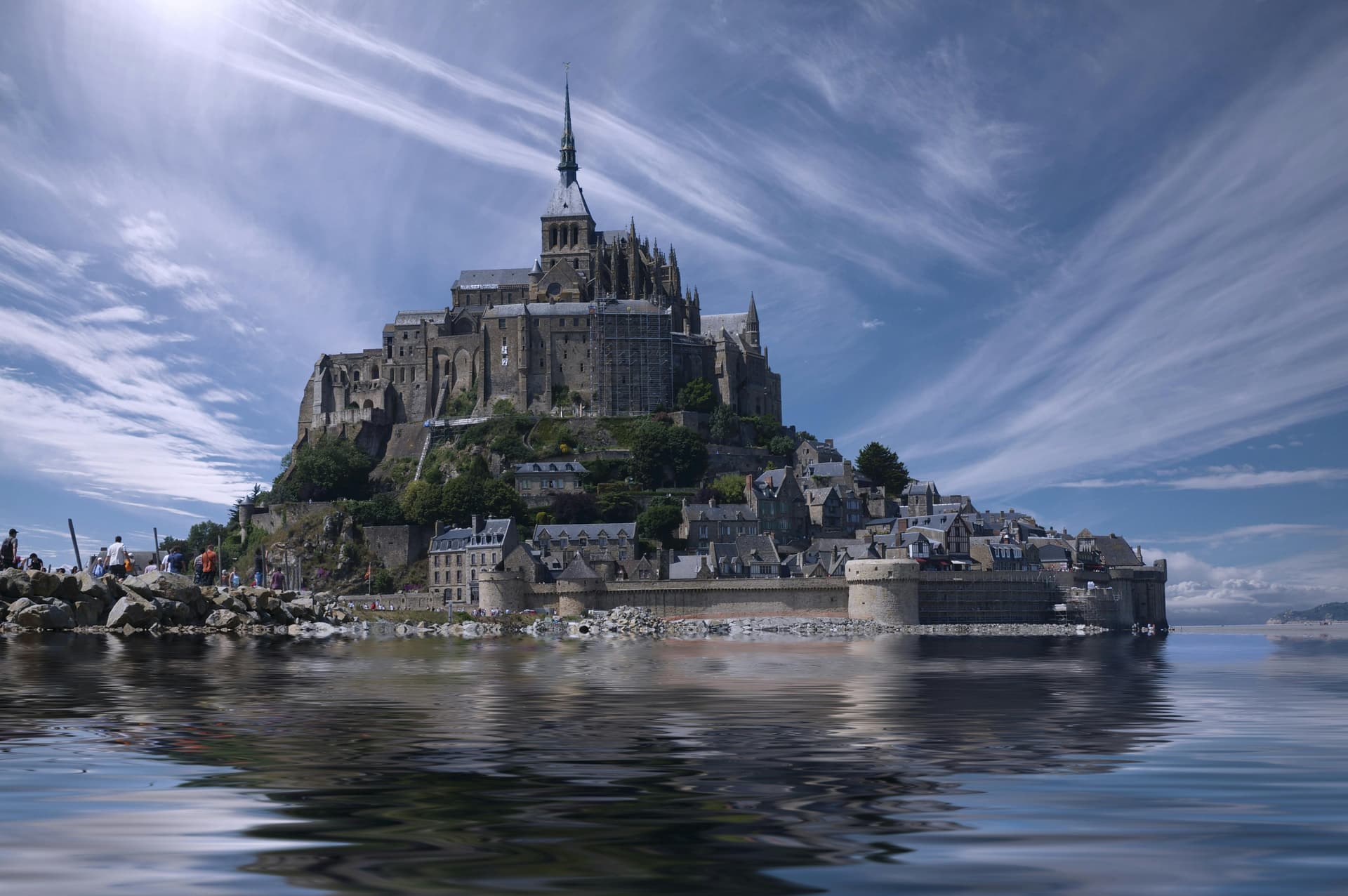
Mont-Saint-Michel rises from the sea as one of Europe's most ethereal sights. This island monastery has drawn pilgrims for over a thousand years, and the first glimpse of its spires emerging from morning mist remains unforgettable. The abbey crowning the mount rewards climbing with architecture spanning the Romanesque through Gothic periods.
The Bayeux Tapestry predates even Mont-Saint-Michel's current form. This 900-year-old embroidered narrative tells the story of the Norman Conquest of England in 70 meters of medieval comic strip. The museum housing it provides essential context for understanding this unique historical document.
Rouen, where Joan of Arc was burned at stake, preserves one of France's finest medieval city centers. The cathedral's facade, painted dozens of times by Monet in different light conditions, dominates the old town. Half-timbered houses line atmospheric streets leading to churches with soaring Gothic interiors.
Giverny draws art lovers to the home and gardens of Claude Monet. The water lily ponds that inspired his famous series still bloom, maintained to reflect the scenes he painted. The house itself, with its yellow dining room and blue kitchen, reveals the daily life that surrounded such revolutionary art.
Norman cuisine reflects the region's famous dairy. Butter and cream enrich everything from sauces to pastries. Camembert, perhaps France's most famous cheese, comes from this region. Calvados, the apple brandy aged in oak casks, finishes meals in the traditional trou normand.
Experiences We Can Arrange
Quick Facts
Best Time to Visit
May to September for best weather. June brings D-Day commemorations. Spring and fall offer fewer crowds and atmospheric conditions.
Recommended Duration
Five to seven days allows proper exploration. Three days works for a focused D-Day or Mont-Saint-Michel visit.