
On sun-drenched terraces overlooking the Mediterranean, the Mourvèdre grape achieves its finest expression anywhere in the world—producing wines of depth and complexity that reward cellaring while defying the assumption that Provence means only light rosé.
France's Mediterranean Wine Treasure
Bandol occupies a unique position in the French wine universe. This small appellation—approximately 1,600 hectares of vineyards stretched along the Provence coast between Marseille and Toulon—produces wines that command respect from serious collectors while remaining relatively unknown to casual wine drinkers. The reds, dominated by the challenging Mourvèdre grape, rival the finest of France in depth and ageability. The rosés, while overshadowed by more fashionable Provençal competitors, offer structure and complexity absent from pale alternatives.1
The appellation's terroir creates its character. An amphitheater of hills opens to the Mediterranean, channeling warming maritime influence into vineyards that might otherwise struggle with Mourvèdre's demanding needs. The grape, which requires exceptional heat and light to ripen properly, finds here one of its few ideal environments—producing wines of remarkable intensity while retaining freshness that balances power.
Unlike the vast sprawl of Provence rosé production or the scattered villages of the Rhône, Bandol concentrates its quality within a compact area. A day's visiting can encompass the finest producers; a weekend allows thorough exploration. For wine lovers seeking serious production without Bordeaux's formality or Burgundy's impenetrability, Bandol offers rare accessibility to genuinely world-class wines.
Understanding Bandol Wines
The Mourvèdre Grape
Everything in Bandol begins with Mourvèdre, a grape that produces some of the world's most distinctive wines yet remains notoriously difficult to grow. The variety requires more heat than almost any other quality grape; only a handful of locations worldwide—Bandol, Australia's Barossa Valley, certain spots in California and Spain—provide conditions for proper ripening.2
In Bandol, regulations mandate that red wines contain at least 50% Mourvèdre, with most serious producers using 80-95%. This dominance shapes everything: the wines' tannic structure, their aging requirements, their distinctive flavors of game, leather, black fruit, and the characteristic "barnyard" notes that enthusiasts prize and some find challenging.
Young Mourvèdre can be forbidding—tannins tight, fruit buried beneath structure, the wine seemingly closed against appreciation. But with five, ten, or twenty years of cellaring, Bandol reds transform. The tannins integrate; the fruit emerges in more complex form; the tertiary notes of aged Mourvèdre—tobacco, dried herbs, truffle—create wines of remarkable depth.
The Rosé Reality
Provence has become synonymous with pale, refreshing rosé—wines whose very lightness often masks industrial production and simple flavors. Bandol rosé stands apart. Required by appellation rules to include at least 50% Mourvèdre (since 2023, previously 20%), these wines offer structure, complexity, and food-pairing versatility absent from more commercial alternatives.3
The color is deeper than fashionable pinks—a salmon or light copper that reflects genuine grape extraction rather than minimal skin contact. The palate shows weight and texture; these are wines for the table, partners for serious food, not merely poolside refreshment.
Bandol rosé rewards those willing to expand their expectations. While it cannot compete for sheer thirst-quenching simplicity with paler styles, it offers compensation in flavor intensity, aging potential (unusual for rosé), and the satisfaction of genuine craft.
The White Minority
Bandol produces small quantities of white wine, typically from Clairette, Ugni Blanc, and Bourboulenc grapes. These represent perhaps 2% of production—curiosities rather than category essentials, though individual examples can prove interesting.4
The whites typically show Mediterranean character: full-bodied, sometimes oxidative, marked by the warmth of their origin. They suit regional cuisine—bouillabaisse, grilled fish with herbs—better than as standalone sipping wines.
The Producers
Domaine Tempier
If one estate defines Bandol's modern reputation, it is Tempier. Lucien Peyraud, purchasing the property in 1936, essentially created quality Bandol as we know it—reviving abandoned terraces, championing Mourvèdre when fashionable opinion favored easier grapes, and attracting attention from wine writers who spread Bandol's fame internationally.5
The estate remains family-owned, producing wines that balance tradition and quality across multiple cuvées. The single-vineyard bottlings (La Tourtine, La Migoua, Cabassaou) demonstrate terroir variation within the appellation; the classic cuvée provides accessible introduction to the Tempier style.
Visits by appointment reveal the family passion that continues to drive quality. The tasting experience, in cellars where the estate's history is tangible, provides context impossible to achieve through mere bottle consumption.
Château Pradeaux
Where Tempier represents accessible excellence, Pradeaux embodies uncompromising traditionalism. This estate, family-owned since 1752, produces wines that require patience—tannic when young, reluctant to reveal themselves, but developing extraordinary complexity over decades of cellaring.6
The approach is deliberately old-fashioned: long aging in ancient wooden foudres, minimal intervention, extended elevage before release. Wines reaching market have already spent years in cellar; drinking them young wastes their potential.
Pradeaux also maintains production of rancio—a deliberately oxidized wine in the sherry style, aged for years in partially filled barrels. This curiosity, once common in Mediterranean France, has nearly disappeared elsewhere.
Other Notable Producers
Domaine de Terrebrune: Consistently excellent across red, rosé, and white bottlings. The approach balances tradition with modern precision.
Château de Pibarnon: Spectacularly sited high above the sea, producing wines of elegance rather than power. The visit, for views alone, justifies the drive.
Domaine de la Bégude: Biodynamic production creating wines of notable purity. The property also operates an excellent restaurant.
Château Vannières: Large by Bandol standards, maintaining quality across significant production. Good value relative to smaller estates.
Domaine La Suffrène: Family estate producing reliable wines at accessible prices. Excellent introduction to Bandol for the curious.
Visiting Bandol
Wine Touring Practicalities
Bandol's compact geography facilitates visiting—the appellation spans approximately 15 kilometers, with most significant producers accessible within short drives from central bases. The experience differs from larger regions:
Appointments: Most producers welcome visitors but prefer advance notice. Larger estates may have regular tasting hours; smaller operations require scheduling. French remains more useful than in heavily touristed wine regions, though English increasingly serves.
Tasting fees: Variable—some estates offer free tastings, others charge modest fees often refundable with purchase. The intimacy of visits typically precludes casual drop-ins.
Purchasing: Many wines are available at the estates at prices comparable to or better than export markets. Bandol reds benefit from cellaring; buy enough to track evolution over years.
The Town of Bandol
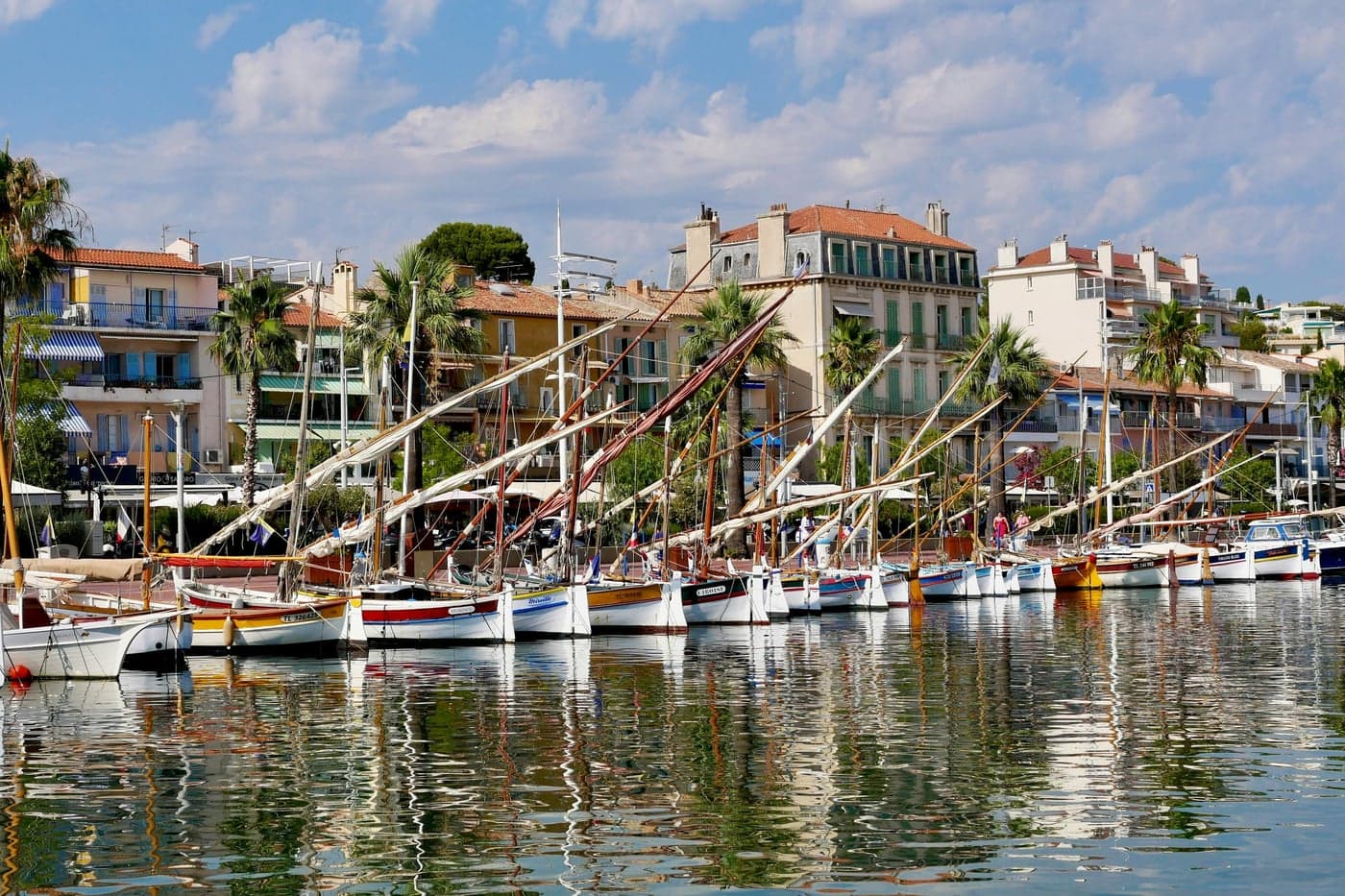
The appellation takes its name from the coastal town of Bandol, a small resort that provides the obvious base for wine exploration. The town offers beaches, a pleasant port area, seafood restaurants, and the relaxed Mediterranean atmosphere that Provence promises.
Bandol the town is not particularly distinguished—neither the charm of Saint-Tropez nor the historical substance of Marseille. What it provides is convenient location, adequate services, and the appropriate context for wine-focused visiting. Evening dinners pairing the day's discoveries with local seafood complete the experience appropriately.
Cassis: The Neighboring Alternative
The tiny appellation of Cassis—distinct from Bandol, producing primarily white wines—offers complementary exploration and a more picturesque town base. Cassis whites, from clairette and marsanne grapes, partner naturally with the local bouillabaisse; the town itself, with its harbor and dramatic cliff setting, exceeds Bandol in visual appeal.7
Combining Bandol reds with Cassis whites—and the Calanques National Park just to the west—creates an itinerary balancing wine exploration with broader Provençal experience.
Beyond the Tasting Room
The Bandol region offers experiences beyond wine:
Coastal walks: The Sentier du Littoral traces the Mediterranean shore, offering cliff views, hidden beaches, and the aromatic landscape of maritime Provence.
Markets: The Bandol market (Tuesday morning) brings local produce, crafts, and the atmosphere of Provençal commerce. Other villages host markets on different days.
Le Castellet: This medieval hilltop village, perched above the vineyards, provides photogenic wandering and elevated perspective on the appellation below. The famous Paul Ricard racetrack nearby hosts major motorsport events.
Beaches: The coast offers numerous swimming opportunities—from the town beach of Bandol to more secluded coves accessible by foot or boat.
Practical Planning
Getting There
Bandol lies approximately:
- 50 km east of Marseille
- 15 km west of Toulon
- 100 km west of Nice
By train: Direct TGV service from Paris to Toulon (approximately 4 hours); local trains continue to Bandol station.
By car: A50 motorway from Marseille or Toulon provides quick access; rental car enables vineyard visits impossible via public transport.
By air: Marseille Provence Airport offers the nearest major facility, with car rental and ground transport to Bandol.
When to Visit
Spring (April-June): Ideal conditions—vines in growth, pleasant temperatures, fewer tourists than summer. Late spring brings the region's wildflowers and herbs into aromatic bloom.
Summer (July-August): Peak season brings heat, crowds, and the full beach atmosphere of Provençal resort life. Wine visiting continues but competes with vacation activities.
Autumn (September-October): Harvest atmosphere, comfortable temperatures, diminishing crowds. Perhaps the optimal wine-focused visiting season.
Winter (November-March): Quiet, atmospheric, with producers available for unhurried visits. Some facilities may operate reduced hours. The mistral wind can bring cold, clear conditions.
Where to Stay
Bandol town: The practical choice, with varied accommodation from modest hotels to waterfront properties. Restaurants and services cluster here.
Cassis: More charming than Bandol, with excellent restaurants and the spectacular Calanques nearby. Requires slightly more driving to reach Bandol producers, but pairs naturally with a stop in Saint-Rémy-de-Provence for travelers heading north.
Le Castellet: The hilltop village offers atmospheric stays in converted historic properties, with views across the appellation.
Inland properties: Various mas and guesthouses occupy vineyard settings, offering immersion at the cost of beach access.
Dining
Bandol and the surrounding coast offer dining options ranging from casual beachside grills to refined establishments:
L'Espérance (Bandol): Classic cuisine in elegant setting, with excellent local wine list.
La Bastide du Cap (Cap Canaille): Michelin-starred dining with sea views.
Numerous quayside restaurants: Fresh seafood prepared simply—bouillabaisse, grilled fish, fruits de mer—pairs naturally with local wines.
The regional cuisine emphasizes Mediterranean ingredients: olive oil, tomatoes, peppers, fish, herbs. Bandol rosé accompanies almost everything; the reds demand heartier fare—grilled lamb, daube provençale, game in season.
The Bandol Experience
Why Bandol Matters
In the hierarchy of French wine regions, Bandol occupies an unusual position. The wines achieve indisputable quality—the best reds rival classified Bordeaux and grand cru Burgundy in depth and aging potential. Yet the region maintains accessibility that those more famous areas have lost: direct contact with winemaking families, reasonable prices (though rising), visits unmarked by the commercial infrastructure that can distance wine production from wine appreciation.
This combination cannot last indefinitely. Bandol's recognition grows; prices increase accordingly; commercial pressures mount. Those who visit now experience a region at a particular moment—quality established, fame not yet overwhelming, the authentic experience still available.
Red Wine's Mediterranean Home
Bandol challenges the assumption that Provence equals rosé. While pink wine dominates regional production elsewhere, Bandol maintains focus on reds that stand among France's finest. The Mourvèdre grape, so difficult to grow yet so rewarding when properly cultivated, achieves here its greatest expression—wines that demonstrate Mediterranean sunshine can produce age-worthy greatness, not merely easy refreshment.
For visitors accustomed to thinking of Provence as rosé territory, Bandol reds provide revelation. The depth, the structure, the capacity to improve over decades: these qualities challenge expectations and reward reconsideration.
The Commitment of Craft
What distinguishes Bandol from countless wine regions seeking recognition is commitment sustained over generations. The producers here—families who have worked these terraces for decades or centuries—maintain standards through conviction rather than commercial calculation.
Visiting provides evidence: the old vines, some planted generations ago; the traditional methods preserved despite modern alternatives; the willingness to age wines in cellar until ready rather than releasing for quick sale. This commitment, increasingly rare in commercially driven wine production, creates what serious wine lovers seek—authenticity rooted in place and practice.
Frequently Asked Questions
How does Bandol compare to other Provence wines?
Bandol produces Provence's most serious wines—structured reds requiring cellaring, complex rosés with food-pairing depth. The pale, simple rosés dominating Provence production elsewhere differ fundamentally from Bandol's Mourvèdre-based approach.
Do I need to book winery visits in advance?
Generally yes, particularly for smaller producers. Larger estates may have regular tasting hours, but advance contact ensures attention and availability. Email in French or English typically works; some estates list visiting information online.
How long should I spend in Bandol?
A full day allows 3-4 producer visits plus town exploration. Two to three days permit comprehensive wine touring with time for beaches, the Calanques, and leisurely meals pairing discoveries with local cuisine.
Should I buy Bandol wines to cellar?
If you have storage, absolutely. Quality Bandol reds improve for 10-20+ years, developing complexity that young bottles only hint at. Prices remain reasonable relative to comparable aging potential from Bordeaux or Burgundy; buying directly from producers provides access to wines sometimes unavailable through retail.
What should I eat with Bandol wines?
Rosé: Mediterranean seafood, vegetable dishes, light meats grilled with herbs. Red (young): Grilled lamb, hearty stews, strong cheeses. Red (aged): Game birds, truffled dishes, slow-cooked meats, mature hard cheeses. The local cuisine pairs naturally; let seasonal availability guide choices.
Is Bandol suitable for wine beginners?
The region suits those already interested in wine but doesn't require expertise. Producers welcome questions; tastings educate as well as sell. However, Bandol's serious reds may challenge palates accustomed to fruitier, simpler wines—approach with openness to different styles.
References
- Appellation Bandol. "Bandol AOC: Production Regulations and Statistics." Official Documentation, 2023.
- Robinson, J. & Harding, J. "The Oxford Companion to Wine: Mourvèdre." 4th Edition. Oxford University Press, 2015.
- Appellation Bandol. "2023 Regulation Updates: Rosé Production Requirements." Official Documentation, 2023.
- INAO (Institut National de l'Origine et de la Qualité). "Bandol AOC Production Statistics 2023." Paris, 2024.
- Peyraud, L. "Lulu's Provençal Table: The Food and Wine from Domaine Tempier." Harper Collins, 1994.
- Château Pradeaux. "History and Winemaking Philosophy." Estate Documentation, 2022.
- Appellation Cassis. "Cassis AOC: The Wines and the Terroir." Official Guide, 2023.